
Why Carpets Trap More Allergens Than You Think (and How to Fix It)
Carpets make homes warm, welcoming, and comfortable, but few homeowners realize how easily they become a hotspot for allergens. If someone in your home is constantly sneezing, dealing with watery eyes, breathing issues, or persistent coughs — your carpet might be the silent culprit. Due to their dense fibers and layered structure, carpets trap dust, pet dander, pollen, skin flakes, dust mites, mold spores, and other microscopic allergens more than nearly any other surface in a home.
Understanding why carpets hold allergens and how to fix the problem is crucial for maintaining a healthy indoor environment — especially for families with kids, elders, or allergy-sensitive individuals.
Why Carpets Trap So Many Allergens
Carpets don’t just collect allergens — they actually hold them. Here’s why:
1. Carpet Fibers Work Like a Magnet
The soft, textured surface of carpet fibers attracts airborne particles. Every time someone walks across the room or sits on the carpet, dust and allergens floating in the air settle deep into the layers.
2. Foot Traffic Pushes Allergens Deeper
Carpets in high-traffic areas like living rooms, hallways, or bedrooms accumulate allergens faster. With every step, these particles get pushed deeper into the padding, where regular surface vacuuming cannot reach.
3. Pets Increase Allergen Build-Up
Pet hair and dander are some of the most common triggers of allergies. Even if you vacuum daily, tiny microscopic particles from cats and dogs stay trapped inside carpet fibers for weeks or months.
4. Moisture Turns Carpets into a Breeding Ground
Humidity and spills create the perfect environment for mold, mildew, and bacteria. Damp carpets — even when they feel dry on the surface — can hold moisture underneath that continues to grow harmful microbes.
5. Carpets Release Allergens Back into the Air
Even when allergens are trapped inside a carpet, they don’t stay there. Walking, sitting, sweeping, or kids playing on the floor can disturb them and release them into the air you breathe. This is known as resuspension, and it’s one of the biggest reasons allergies become persistent and difficult to diagnose.
Signs Your Carpet May Be Triggering Allergies
It’s not always obvious when a carpet is the cause. Watch for these warning signs:
- Sneezing or coughing that increases when you're home
- Stuffiness or congestion in the morning
- Skin irritation or itchiness after sitting on the carpet
- Increased symptoms during vacuuming
- A musty or dusty smell from the carpet
- Visible dust buildup or discoloration
- Increased allergy reactions for kids or pets
If multiple signs match, your carpet is likely retaining allergens that need to be deeply removed.
Why Vacuuming Alone Isn’t Enough
Most homeowners believe regular vacuuming keeps carpets clean — and while it does help on the surface, vacuums only remove about 10–25% of allergens lodged deep inside the fibers. Worse, many vacuums without HEPA filters blow microscopic allergens back into the air.
The deeper contaminants require something stronger than home cleaning:
- Dust mites attach firmly to fibers and can survive basic vacuuming.
- Pet dander is microscopic and lightweight.
- Mold spores can live in the padding beneath the carpet, not just on the surface.
- Grease and sticky residues trap more dust over time.
This is why an allergy-friendly cleaning routine has to go beyond standard housekeeping.
How to Fix It: Proven Methods to Reduce Carpet Allergens
The good news is, you don’t have to remove your carpet to reduce allergens. The solution is proper maintenance combined with periodic professional cleaning.
- Upgrade Your Vacuuming Routine
Use a vacuum with:
- HEPA filtration
- High suction power
- Brush roller or beater bar
Vacuum at least twice a week, and daily in high-traffic areas or if you have pets.
- Steam Cleaning Helps — But Only When Done Properly
Steam cleaning can remove deeply embedded allergens, but:
- Incorrect techniques can leave carpets wet
- Excess moisture can lead to mold growth
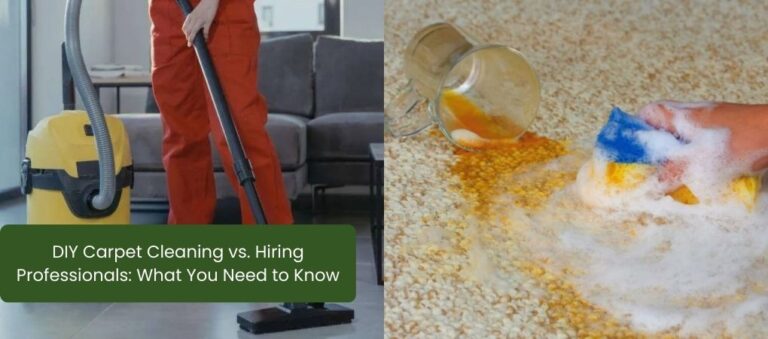
This is why DIY steam cleaning isn’t always ideal.
- Allergist-Approved Deep Carpet Cleaning
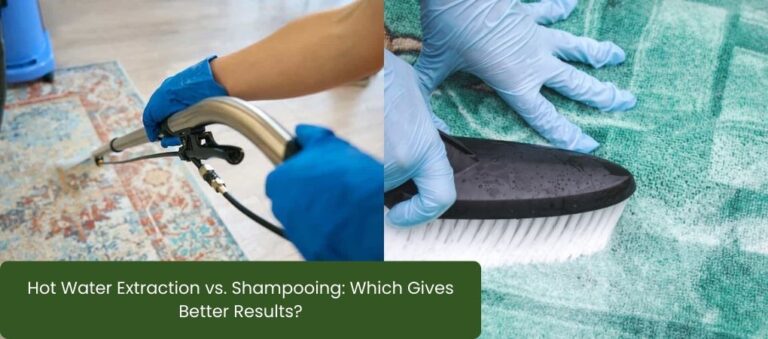
Professional carpet cleaning using hot water extraction, allergen-neutralizing solutions, and high-power extraction equipment can eliminate up to 95% of trapped allergens — far more than any household method.
Homeowners in Hartford, CT often choose Fresh Fiber Clean for this exact reason, especially when allergy symptoms increase and routine cleaning isn’t enough. Professional crews use industry-grade systems designed specifically to remove dust mites, pet proteins, mold spores, and harmful microscopic debris lodged deep inside carpets.
- Maintain a Routine Cleaning Schedule
To prevent allergen buildup:
- Deep clean carpets every 6–12 months
- Every 3–4 months if you have pets, asthma, or young children
- Use Indoor Air Purification
HEPA air purifiers can catch airborne particles before they settle into the carpet, reducing buildup significantly.
- Reduce Moisture Exposure
Keep carpets dry:
- Fix leaks immediately
- Avoid installing carpets in damp areas
- Use dehumidifiers during humid seasons
Why Professional Carpet Cleaning Makes a Real Difference
If allergens have been accumulating for months or years, even the most dedicated DIY approach will struggle to fix the problem. Professional carpet cleaning solves root-level contamination through:
- High-temperature steam extraction
- Industrial-strength vacuums
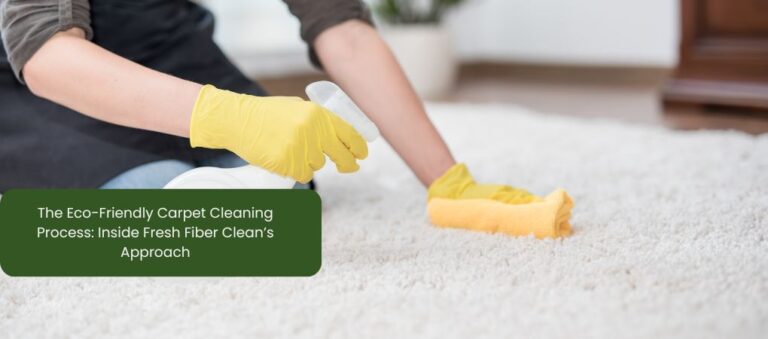
- Hypoallergenic and eco-safe cleaning agents
- Faster drying systems to prevent mold regrowth
Services like Fresh Fiber Clean specialize in allergy-focused carpet cleaning across Hartford, CT, helping families breathe easier and live in healthier indoor environments.
Final Thoughts
Carpets are beautiful and add comfort to a home — but they also trap far more allergens than most people realize. If you or your loved ones experience unexplained allergies, asthma flare-ups, or constant respiratory discomfort, your carpet could be the hidden trigger.
With the right maintenance and periodic deep cleaning, you don’t have to choose between comfort and health. When everyday cleaning no longer solves the problem, professional allergen-focused carpet cleaning can restore a fresh, hygienic living space and bring relief to your family.
FAQs — Why Carpets Trap Allergens & How to Fix It
Q1.Do carpets really make allergies worse?
Ans. Yes. Carpets trap dust, dander, pollen, dust mites, and mold spores and release them back into the air when disturbed.
Q2.How often should carpets be cleaned to prevent allergies?
Ans.
Every 6–12 months, or every 3–4 months if you have pets, asthma, or young children.
Q3.Can vacuuming remove allergens completely?
Ans. No. Vacuuming removes only surface debris. Deep allergens remain embedded in the carpet.
Q4.Do HEPA filters help reduce carpet allergens?
Ans.Yes. Vacuums and air purifiers with HEPA filters are highly effective in minimizing airborne particles.
Q5.Does steam cleaning kill dust mites?
Ans.Yes, when done professionally with sufficient heat and extraction.
Q6.Can mold grow in a carpet without visible signs?
Ans. Yes. Mold can grow under the carpet padding where moisture lingers.
Q7.Is hardwood better than carpet for allergy sufferers?
Ans. Hard flooring traps fewer allergens, but properly cleaned carpets can also be allergy-friendly.
Q8.What is the best carpet type for allergy-sensitive homes?
Ans.Low-pile carpets trap fewer allergens than plush high-pile carpets.
Q9.Does carpet deodorizer help with allergy problems?
Ans. No. Deodorizers only mask odors and don’t remove allergens.
Q10.When should I call a professional carpet cleaner?
Ans. When allergies persist despite vacuuming, or if it’s been 6+ months since the last deep cleaning