
Hot Water Extraction vs. Shampooing: Which Gives Better Results?
Carpet cleaning is essential for maintaining a clean and healthy home, but not all cleaning methods produce the same results. Two of the most common professional approaches are hot water extraction (often referred to as steam cleaning) and carpet shampooing. While both methods aim to remove dirt, stains, and odors, the process and effectiveness vary greatly.
Whether you’re preparing for a professional appointment or trying to decide which method best suits your needs, understanding the difference helps you make the right choice for your carpet's condition, type, and long-term care.
Below, we compare hot water extraction vs. shampooing—so you’ll know which method gives better results and why companies like Fresh Fiber Clean in Hartford, CT rely on modern, industry-approved techniques to deliver maximum cleaning power.
Hot Water Extraction (Steam Cleaning): What Is It?
Hot water extraction is the method recommended by most carpet manufacturers and widely used by professional cleaning companies.
How It Works
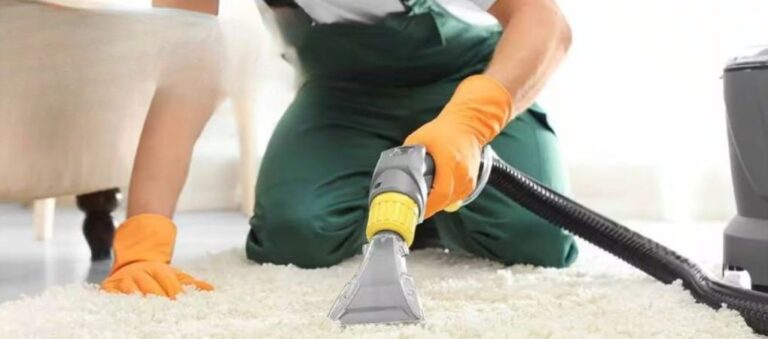
- Hot water and a cleaning solution are injected deep into the carpet fibers.
- High-powered suction immediately extracts the water, along with dirt, allergens, and debris.
- The carpet is rinsed and left clean, sanitized, and residue-free.
What It Removes
- Deep-embedded dirt
- Dust mites and allergens
- Bacteria and germs
- Pet odors and urine crystals
- Stubborn stains
Hot water extraction is considered the deepest and most thorough cleaning method available for residential carpets.
Carpet Shampooing: What Is It?
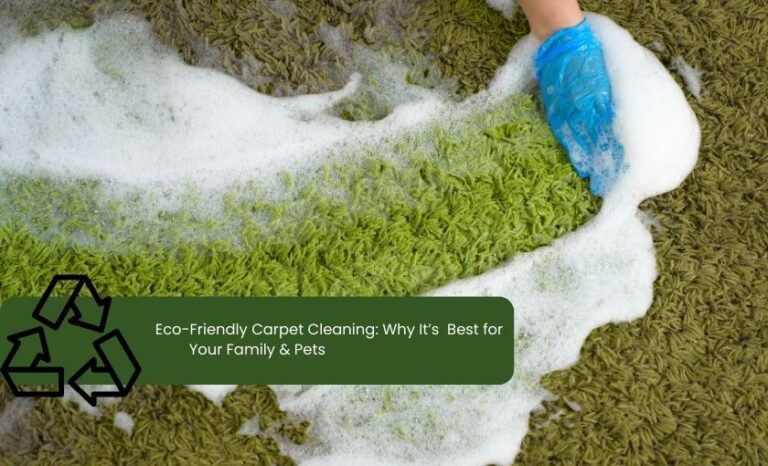
Carpet shampooing is an older method that uses a foamy, detergent-rich solution to scrub the carpet.
How It Works
- Shampoo is applied to the carpet surface.
- A rotary brush agitates and scrubs the fibers.
- Dirt is suspended in the foam.
- The carpet is left to dry, and residue is later vacuumed out.
What It Removes
- Surface-level dirt
- Light stains
- General buildup
Shampooing focuses more on surface cleaning rather than deep extraction.
Hot Water Extraction vs. Shampooing: Side-by-Side Comparison
1. Cleaning Depth
Hot Water Extraction:
✔ Cleans deep into the carpet padding
✔ Removes embedded contaminants
✔ Extracts debris, allergens, and bacteria
✔ Ideal for heavily soiled carpets
Shampooing:
– Primarily cleans the top layer
– Doesn’t reach deep fibers
– Dirt may remain trapped beneath the surface
Winner: Hot water extraction
2. Stain Removal Effectiveness
Hot Water Extraction:
- Excellent at breaking down tough stains
- Uses heat + pressure + suction
- Works well for pet urine, wine, coffee, and high-traffic stains
Shampooing:
- May lighten surface stains
- Not effective for deep or old stains
- Shampoo residue can cause stains to reappear
Winner: Hot water extraction
3. Odor Removal
Hot Water Extraction:
✔ Removes odor-causing bacteria
✔ Extracts moisture, preventing mildew
✔ Effective for pet odors
Shampooing:
– Masks odors rather than removing them
– Residue may worsen smells later
Winner: Hot water extraction
4. Carpet Health & Longevity
Hot Water Extraction:
- Protects carpet fibers
- Recommended by manufacturers
- Helps maintain warranties
- Extends carpet lifespan
Shampooing:
- Harsh scrubbing wears fibers down
- Heavy detergent use attracts dirt
- Can reduce carpet longevity over time
Winner: Hot water extraction
5. Drying Time
Hot Water Extraction:
- Uses more water
- Professional suction reduces moisture
- Typically dries in 4–12 hours
Shampooing:
- Can leave the carpet very wet
- Foam residue takes longer to dry
- Moisture may cause mold in some cases
Winner: Hot water extraction (thanks to advanced extraction)
6. Residue Left Behind
Hot Water Extraction:
✔ Leaves virtually no residue
✔ Uses pH-balanced rinses
✔ Carpet stays clean longer
Shampooing:
– High detergent use causes sticky buildup
– Attracts dirt quickly
– Carpet may re-soil within days
Winner: Hot water extraction
7. Cost Comparison
Shampooing is typically cheaper upfront, but:
- Requires more frequent cleaning
- Doesn’t solve deep issues
- Can lead to faster wear and tear
Hot water extraction costs slightly more but provides significantly longer-lasting results.
Winner (long-term value): Hot water extraction
Which Method Gives Better Results?
Hot water extraction clearly offers superior results in almost every category:
✔ Deeper cleaning
✔ Better stain and odor removal
✔ Longer-lasting freshness
✔ Better for allergies
✔ Manufacturer-approved
Shampooing is best used for:
- Light maintenance
- Older carpets that can't handle water
- Quick refreshes before events
However, for modern homes and high-quality carpet fibers, hot water extraction is the gold standard and the method most homeowners prefer.
Companies like Fresh Fiber Clean rely on advanced hot water extraction systems to ensure carpets are thoroughly cleaned, sanitized, and left looking like new.
Conclusion
While both carpet shampooing and hot water extraction can improve the appearance of your carpets, the difference in cleaning power is significant. Shampooing provides a surface-level refresh, but it often leaves residue and fails to address deeper issues.
Hot water extraction, on the other hand, delivers:
- Deep fiber penetration
- Removal of embedded dirt and allergens
- Better stain and odor elimination
- Longer-lasting results
If you want healthier carpets, improved indoor air quality, and a home that looks and feels cleaner, hot water extraction is the superior choice.
For homeowners in Hartford, CT, professional services from Fresh Fiber Clean ensure your carpets are treated with industry-leading techniques and eco-friendly products—leaving your floors fresh, spotless, and revitalized.
FAQs
Q1.Which method cleans carpets more deeply—shampooing or hot water extraction?
Ans.Hot water extraction cleans deeper, reaching embedded dirt and allergens.
Q2.Does shampooing leave residue?
Ans.Yes. Shampoo often leaves detergent residue that can attract dirt quickly.
Q3.Is hot water extraction safe for all carpets?
Ans.Yes, it’s the method most carpet manufacturers recommend.
Q4.Which method is better for removing pet odors?
Ans.Hot water extraction—because it removes odor-causing bacteria.
Q5.Will hot water extraction make carpets too wet?
Ans.No. Professional suction removes most moisture, speeding up drying.
Q6.Does shampooing help with allergy reduction?
Ans.Not much. Deep extraction is far more effective at removing allergens.
Q7.Which method lasts longer between cleanings?
Ans.Hot water extraction provides longer-lasting cleanliness.
Q8.Is shampooing cheaper?
Ans.Yes, but results don’t last as long and may require frequent cleaning.
Q9.Can shampooing damage carpets?
Ans.Excessive scrubbing can wear down fibers over time.
Q10.How often should carpets be cleaned with hot water extraction?
Ans. Every 6-12 months, depending on traffic, pets, and lifestyle.