
The Top Signs Your Carpet Is Harboring Mold and Mildew
When it comes to maintaining a clean and healthy home, carpets are often overlooked until visible stains or odors appear. But what many homeowners in Hartford, CT, don’t realize is that carpets can quietly harbor mold and mildew, even before any visible signs show up. These fungi not only damage your carpet fibers but can also affect your indoor air quality and health.
In this guide, we’ll uncover the top warning signs your carpet might be harboring mold and mildew, why this happens, and what you can do about it.
Why Mold Grows in Carpets
Carpets are naturally absorbent, making them a perfect breeding ground for mold and mildew. When moisture becomes trapped—whether from spills, pet accidents, flooding, or high humidity—it seeps into the carpet pad and backing. If not dried properly, this damp environment encourages mold spores to multiply.
Hartford’s variable climate—with humid summers and snowy winters—creates conditions where moisture can easily become trapped indoors, increasing the risk of mold growth in carpets.
Top Signs Your Carpet Is Harboring Mold and Mildew
Below are the most common and telling signs that your carpet might be harboring unwanted mold and mildew growth.
1. Persistent Musty Odor
A musty smell is often the first and most obvious indicator of mold or mildew. Even if your carpet looks clean, a damp or earthy odor that doesn’t go away after vacuuming could signal hidden mold underneath the fibers or padding.
This odor usually worsens in humid weather or after your HVAC system runs, spreading spores through your home. If you’ve noticed a lingering smell that deep cleaning doesn’t fix, it’s time to call professionals like Fresh Fiber Clean in Hartford, CT, who specialize in deep extraction and mold-removal carpet treatments.
2. Visible Discoloration or Dark Spots
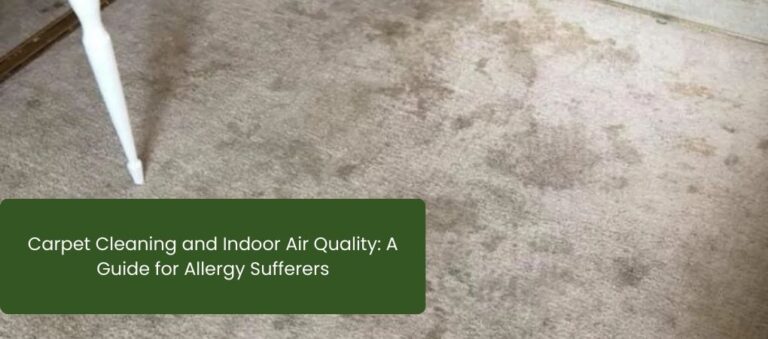
Mold and mildew often manifest as green, black, or white blotches that differ from regular stains. These spots can appear fuzzy, spread over time, or feel damp to the touch.
Unlike a simple coffee or pet stain, mold patches have an irregular shape and often appear near walls, under furniture, or in areas exposed to previous water damage. If you notice these, avoid scrubbing them yourself—doing so may spread spores deeper into the fibers.
3. Increased Allergy or Respiratory Symptoms
Mold spores are microscopic and can easily become airborne, especially when walking across the carpet or vacuuming. If you or your family members are experiencing unexplained sneezing, coughing, watery eyes, or sinus congestion, your carpet could be the culprit.
People with asthma, allergies, or weakened immune systems are especially vulnerable to these spores. Persistent health symptoms that improve when leaving the house are a major red flag that mold may be lurking beneath your flooring.
4. Damp or Wet Carpet That Never Dries
If a section of your carpet feels constantly damp—even days after cleaning or after a spill—it’s likely a sign of mold development beneath the surface.
Mold thrives in moisture-rich environments, and once the backing or padding becomes wet, it can take weeks to dry completely. If your carpet remains wet for more than 24 to 48 hours, the conditions are perfect for fungal growth.
Professional moisture extraction and carpet drying—like the services offered by Fresh Fiber Clean—can prevent deeper damage and stop mold from spreading throughout your home.
5. Warped or Wavy Carpet Texture
When mold develops beneath the carpet, it can cause the fibers and backing to lose their original tension, leading to a wavy or rippled appearance. The backing material may start to break down, and the affected area may feel uneven when you walk on it.
This warping not only affects the appearance of your carpet but is also a clear indication that moisture has reached the subfloor—a serious problem that requires immediate attention.
6. A Spike in Indoor Humidity
Mold and mildew thrive in humidity levels above 60%. If your home feels stuffy or your windows develop condensation, your carpet could be absorbing that excess moisture.
Homes in Hartford, CT, often face fluctuating humidity throughout the year, especially in basements and ground-level rooms. Using a dehumidifier and ensuring proper ventilation can help minimize mold risks.
7. Carpet Padding Feels Spongy or Uneven
Carpet padding that feels soft, spongy, or uneven may indicate moisture retention beneath the surface. When mold begins to grow underneath, the padding deteriorates, creating a soft or squishy texture underfoot.
Lifting a corner of your carpet (if safe to do so) and inspecting the backing can reveal mold patches or blackened areas—clear evidence that you need professional remediation.
8. Recent Water Damage or Flooding
Even if your carpet looks fine after drying from a flood, unseen mold may still be growing underneath. Water damage from plumbing leaks, roof drips, or flooding creates ideal conditions for mold growth.
If your home has experienced any kind of water damage, schedule an inspection or professional carpet cleaning service immediately. Fresh Fiber Clean uses industrial-grade equipment that extracts deep moisture and sanitizes fibers to prevent microbial growth.
9. Strange or Slimy Texture on Carpet Surface
When mold advances, it can make your carpet fibers feel sticky, slimy, or even oily. This texture results from microbial activity and waste byproducts. If your carpet feels odd to the touch even after cleaning, it’s likely mold has taken hold beneath the surface layer.
Avoid touching or cleaning these areas yourself, as it can worsen the problem or release spores into the air.
10. Deteriorating Carpet Backing or Padding
If your carpet’s backing is breaking down or shows signs of black, green, or white patches, it’s likely infected with mold. This usually occurs when the mold has spread deep within the layers of your flooring system.
At this stage, professional remediation is crucial—not only to save your carpet but also to protect your subfloor and air quality.
How to Prevent Mold and Mildew Growth in Carpets
- Control indoor humidity using dehumidifiers or proper ventilation.
- Clean up spills immediately and ensure the area dries completely.
- Use area rugs in high-moisture areas like basements or entryways.
- Vacuum regularly to remove dust and spores.
- Schedule professional carpet cleanings at least once or twice a year—especially in humid climates like Hartford, CT.
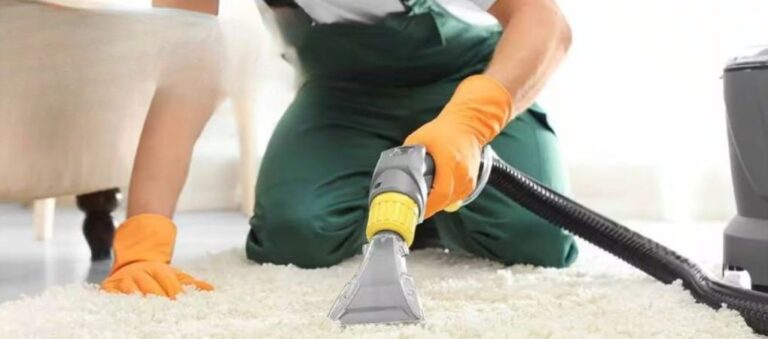
A professional service like Fresh Fiber Clean not only removes deep-seated dirt and stains but also helps prevent mold formation by using high-temperature steam and industrial drying methods.
When to Call a Professional
If you’ve noticed any of these warning signs—persistent odors, discoloration, or health symptoms—it’s best not to wait. Mold spreads quickly and can damage your flooring, furniture, and even walls.
Hiring experts such as Fresh Fiber Clean in Hartford, CT, ensures your carpets are cleaned, sanitized, and dried using eco-friendly, mold-safe techniques that restore your home’s freshness and safety.
Conclusion
Mold and mildew in carpets often go unnoticed until the damage becomes severe. By recognizing these early signs and acting quickly, you can protect both your home and your health.
Whether it’s preventing future mold growth or addressing existing damage, professional help can make a huge difference. Don’t let your carpet become a hidden health hazard—keep it clean, dry, and mold-free with routine maintenance and expert care.
Frequently Asked Questions (FAQs)
Q1.Can mold grow in carpets even if I vacuum regularly?
Ans.
Yes. Regular vacuuming removes surface debris but not deep moisture or mold spores trapped in the carpet padding.
Q2.How long does it take for mold to grow after a spill or flood?
Ans.
Mold can begin developing within 24 to 48 hours if the area remains damp.
Q3. What health issues can moldy carpets cause?
Ans. Exposure to mold spores can lead to allergies, asthma attacks, sinus issues, and respiratory infections.
Q4. How can I tell if the smell in my carpet is from mold or just old fibers?
Ans. A musty, earthy odor that doesn’t go away after cleaning is usually a sign of mold or mildew.
Q5. Can I remove mold from carpet myself?
Ans. DIY cleaning may remove surface mold but not the spores underneath. Professional cleaning is the safest option.
Q6. Is mold in carpet dangerous to pets?
Ans. Yes. Mold spores can cause similar respiratory and allergic reactions in pets as in humans.
Q7. Should I replace the carpet if it has mold?
Ans. If mold has penetrated the padding or subfloor, replacement may be necessary. A professional can assess the extent of damage.
Q8. How do professionals like Fresh Fiber Clean remove mold from carpets?
Ans. They use advanced extraction, steam cleaning, and antimicrobial treatments to eliminate spores and prevent regrowth.
Q9. Can dehumidifiers prevent mold in carpets?
Ans. Yes. Keeping humidity levels below 60% greatly reduces mold risk.
Q10. How often should I have my carpets professionally cleaned in Hartford, CT?
Ans. At least once or twice a year, or more frequently if you have pets, kids, or moisture issues.