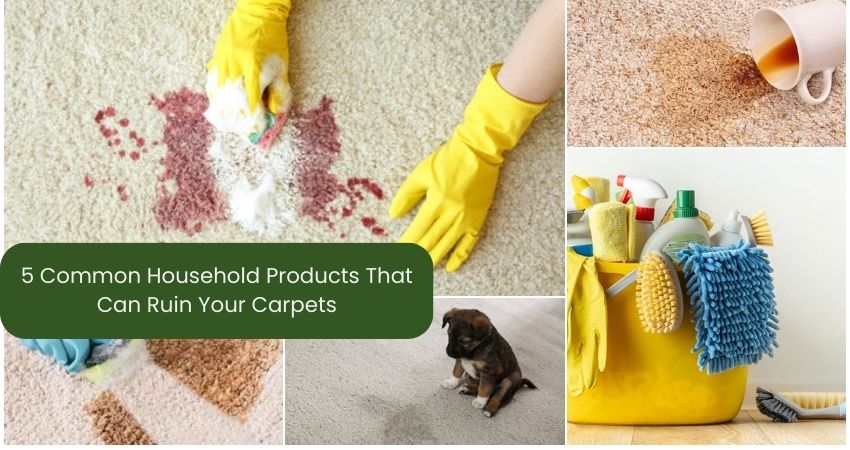
5 Common Household Products That Can Ruin Your Carpets
Carpets add warmth, comfort, and style to any home. They are often a centerpiece of interior design, but they’re also vulnerable to damage from products we use every day. Surprisingly, some of the most common household items can cause irreversible carpet damage, discoloration, or lingering odors if not handled properly.
At Fresh Fiber Clean in West Hartford, CT, we often see the consequences of well-meaning homeowners using the wrong products on their carpets. From DIY cleaning solutions to accidental spills, certain substances can break down fibers, fade colors, or leave persistent residues. In this guide, we’ll discuss five household products that can harm your carpets and suggest safe, eco-friendly alternatives to maintain freshness and longevity.
1. Bleach and Strong Chemical Cleaners
Bleach is one of the most notorious carpet-damaging products. While it can brighten whites and disinfect surfaces, it reacts harshly with carpet fibers:
- Discoloration: Bleach strips dye, leaving unsightly white or faded patches.
- Fiber weakening: Prolonged exposure can break down synthetic fibers, causing fraying or brittleness.
- Residual buildup: Even diluted bleach may leave residues that attract dirt and make carpets look dirty faster.
Other strong chemical cleaners, such as ammonia or drain cleaners, can have similar effects. They may react with carpet dyes or padding, leaving permanent stains or weakening the fiber structure.
Eco-Friendly Alternative: Use vinegar and water (1:1) or enzyme-based cleaners for safe, effective stain removal without risking fiber or color damage.
2. Nail Paint and Nail Paint Remover
Nail polish and its remover are common household items, but they are toxic to carpet fibers:
- Acetone-based removers dissolve synthetic fibers like polyester and nylon.
- Nail polish itself is highly pigmented and difficult to remove once it sets.
- DIY attempts to remove nail polish with more acetone or harsh solvents often spread the stain or damage surrounding fibers.
Eco-Friendly Alternative: Blot fresh spills immediately with ice or a clean cloth to harden and lift excess polish, then rely on professional eco-friendly carpet cleaners for complete removal. Avoid acetone entirely on carpets.
3. Coffee, Tea, and Dark Beverages
While technically a food item, beverages like coffee, tea, soda, and red wine are extremely common in households and can ruin carpets quickly:
- Tannins and dyes in coffee, tea, and wine bond to fibers, causing deep stains.
- DIY attempts with hot water or soap can spread the stain or set it permanently.
- Sugary beverages can leave a sticky residue that attracts dirt.
Eco-Friendly Alternative: Blot fresh spills immediately. Use club soda, baking soda, or enzyme-based cleaners to neutralize pigments and odors safely. For old or stubborn stains, professional cleaning is recommended.
4. Pet Stains and Improper Cleaning Products
Pet accidents are a common source of carpet damage when handled incorrectly:
- Ammonia-based cleaners can intensify pet urine odors, as urine naturally contains ammonia.
- Scrubbing too hard or using harsh chemicals can weaken fibers or spread the stain.
- Improper drying after cleaning can lead to mold, mildew, and persistent odors.
Eco-Friendly Alternative: Use enzyme-based, pet-safe cleaners that break down organic matter naturally. Always blot gently and allow the area to dry completely. Regular professional eco-friendly cleaning keeps carpets fresh, odor-free, and pet-safe.
5. Oil-Based Products (Cooking Oil, Butter, or Lotions)
Oils are sneaky stains that penetrate deep into carpet fibers and padding:
- Cooking oils and butter leave greasy residues that attract dirt and dust.
- Skincare products, lotions, or hair products can do the same, leaving sticky buildup.
- DIY methods using water or detergents often spread the oil or make it worse.
Eco-Friendly Alternative: Sprinkle baking soda over fresh oil spills to absorb grease, then gently vacuum. For set-in grease stains, professional eco-friendly cleaners are best to fully lift oil without damaging fibers.
How DIY Methods Can Sometimes Make Damage Worse
Even well-intentioned DIY approaches can backfire with these common products:
- Scrubbing spreads stains, embeds chemicals or pigments deeper, and damages fibers.
- Over-wetting carpets can soak padding, leading to mold or odor problems.
- Mixing household chemicals (like bleach and ammonia) can release toxic fumes and permanently discolor carpets.
- Using non-compatible solutions may leave residue that attracts dirt and causes rapid re-soiling.
Professional cleaning avoids these mistakes, using controlled moisture, eco-friendly solutions, and fiber-safe methods that ensure both stain removal and carpet longevity.
The Eco-Friendly Advantage
Eco-friendly cleaning solutions are designed to handle stubborn household stains safely:
- Non-toxic and pet-safe: Safe for children and pets.
- Fiber-friendly: Maintains softness, texture, and color.
- Biodegradable: Environmentally responsible, reducing harmful runoff.
- Residue-free: Prevents rapid re-soiling and lingering odors.
By choosing professional eco-friendly cleaning, homeowners avoid the common mistakes that DIY products can cause while still achieving deep, lasting results.
Preventing Household Product Damage
Prevention is the best way to protect your carpets. Consider these tips:
- Use area rugs or runners in high-risk areas like kitchens and dining rooms.
- Keep harsh chemicals, nail polish, and oils away from carpeted areas.
- Treat spills immediately with eco-friendly, fiber-safe products.
- Schedule regular professional carpet cleaning to maintain carpet health and prevent long-term damage.
Taking these precautions significantly extends the life of your carpet while keeping it fresh and safe for the family.
Outgoing Thoughts
Many household products that we use every day such as bleach, nail polish, coffee, pet cleaners, and oils can permanently damage carpets if mishandled. Even DIY stain removal, if done incorrectly, can make matters worse.
Professional, eco-friendly carpet cleaning from Fresh Fiber Clean in West Hartford, CT, is designed to safely restore carpets, removing stains, residues, and odors without harsh chemicals. Eco-conscious cleaning not only protects carpet fibers and color but also keeps your home safe for pets and children.
By understanding which household products are risky and relying on safe, professional solutions, you can enjoy carpets that remain fresh, vibrant, and durable for years.
FAQs
Q1. Can bleach ever be safely used on carpets?
Ans. No. Bleach permanently damages fibers and dyes. Use eco-friendly solutions instead.
Q2. Is vinegar safe for all carpet types?
Ans. Yes, when diluted with water (1:1), but always test in a hidden area first.
Q3. How do I remove old coffee or tea stains?
Ans. Professional eco-friendly cleaning is recommended for set-in beverage stains.
Q4. Can nail paint be removed at home?
Ans. Fresh spills can sometimes be blotted, but professional treatment is safest for permanent removal.
Q5. Are enzyme cleaners safe for pets?
Ans. Yes. Enzyme cleaners are designed to break down organic stains safely.
Q6. How can oils or lotions damage carpet fibers?
Ans. They penetrate deep, leaving greasy residues that attract dirt and can cause fiber deterioration.
Q7. Can DIY methods worsen carpet damage?
Ans. Yes. Scrubbing, over-wetting, or using harsh chemicals can make stains permanent or spread them.
Q8. How often should I have my carpets professionally cleaned?
Ans. Every 6–12 months depending on traffic, pets, and household activity.
Q9. Are eco-friendly products effective on stubborn stains?
Ans. Yes. They safely lift deep stains without harming fibers or leaving residues.
Q10. Why choose Fresh Fiber Clean for household product spills?
Ans. We provide eco-friendly, fiber-safe, and professional cleaning, removing tough stains while protecting your home, pets, and family.