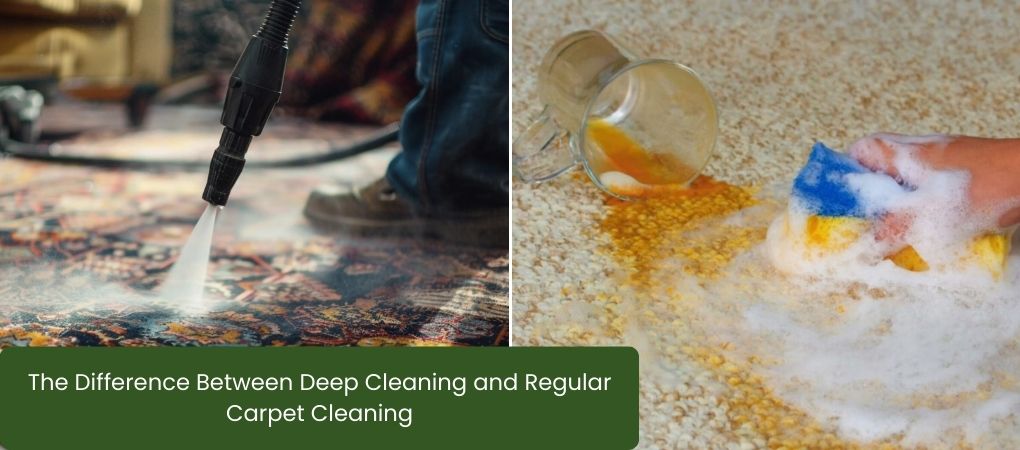
The Difference Between Deep Cleaning and Regular Carpet Cleaning
Carpets add warmth, comfort, and beauty to any space—but they also trap dirt, allergens, and contaminants that can affect both appearance and indoor air quality. Regular vacuuming is important, but eventually, your carpets need more than surface-level cleaning.
That’s where professional carpet cleaning comes in. But not all cleaning methods are the same. Homeowners often wonder whether they need regular carpet cleaning or a more intensive deep cleaning service—and understanding the difference helps you maintain cleaner, healthier carpets for longer.
Below, we break down exactly how regular carpet cleaning differs from deep cleaning, what each method does, when to use them, and why choosing the right service—especially from trusted companies like Fresh Fiber Clean in Hartford, CT—can significantly extend your carpet’s lifespan.
Regular Carpet Cleaning vs. Deep Carpet Cleaning: What’s the Difference?
1. Surface Cleaning vs. Deep Fiber Penetration
Regular carpet cleaning focuses on:
- Removing surface dirt
- Lifting light dust and debris
- Refreshing carpet appearance
It typically includes:
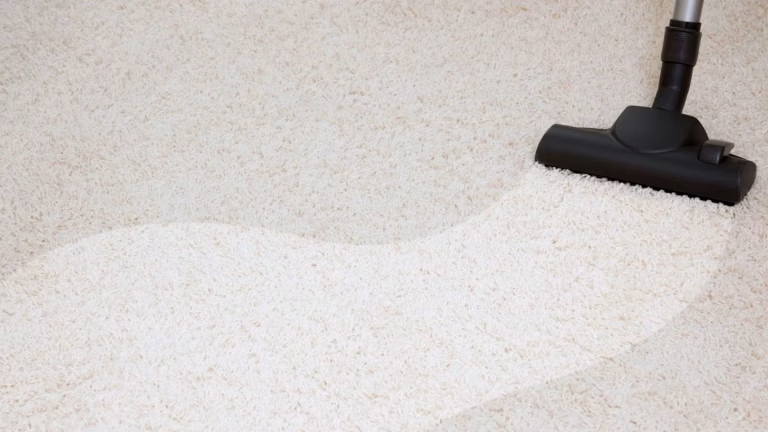
- Vacuuming
- Light agitation
- Basic cleaning solutions
- Surface-level extraction
This type of cleaning helps maintain carpets and prevent buildup—but it does not reach the embedded particles, allergens, or bacteria beneath the surface.
Deep carpet cleaning, on the other hand:
- Penetrates deep into the carpet fibers
- Removes embedded dirt and contaminants
- Breaks down stubborn stains
- Extracts allergens and bacteria
- Restores the carpet from the base up
Deep cleaning uses advanced, high-powered equipment designed to reach layers that basic cleaning cannot.
2. Level of Equipment Used
Regular cleaning often uses:
- Home vacuum cleaners
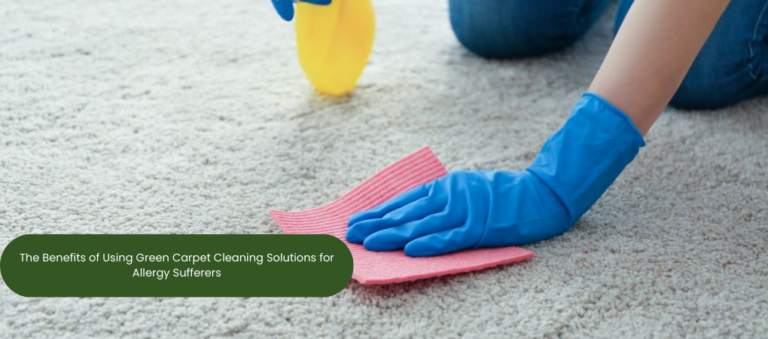
- Lightweight carpet shampooers
These tools freshen the carpet but lack the power for serious extraction.
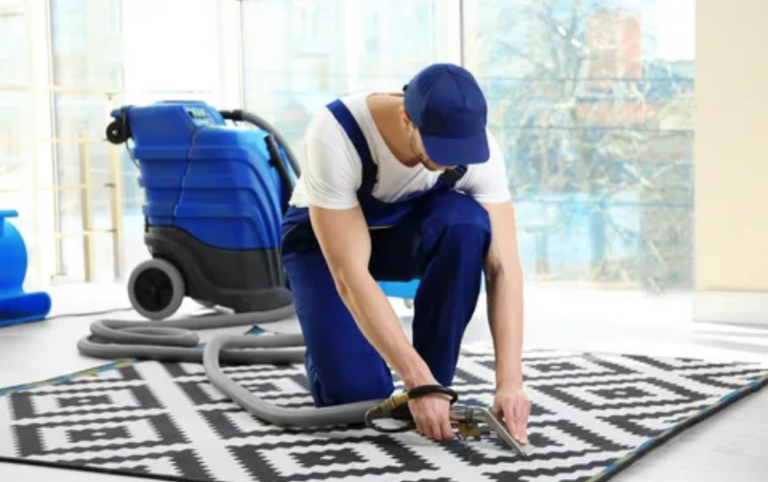
Deep cleaning uses professional-grade equipment, such as:
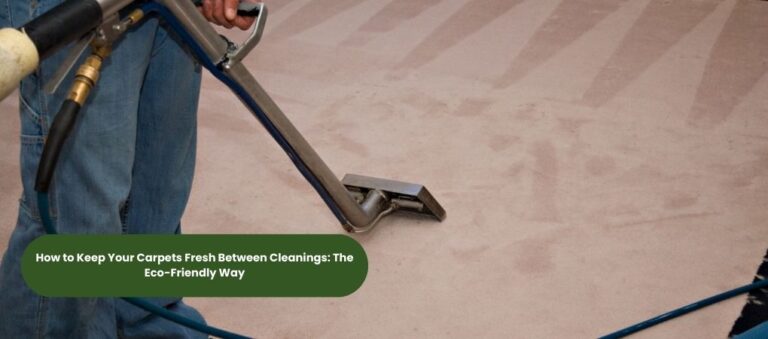
- Truck-mounted hot water extraction systems
- Commercial steam cleaners
- High-powered vacuums
- Enzyme and antimicrobial treatments
- Agitation tools designed for carpet pile
This equipment delivers significantly better results and removes contaminants that regular cleaning cannot touch.
3. Cleaning Method Differences
Regular Cleaning Methods Include:
- Basic shampooing
- Light bonnet cleaning
- Vacuuming and deodorizing
These methods are suitable for maintenance but offer only superficial cleaning.
Deep Cleaning Typically Includes:
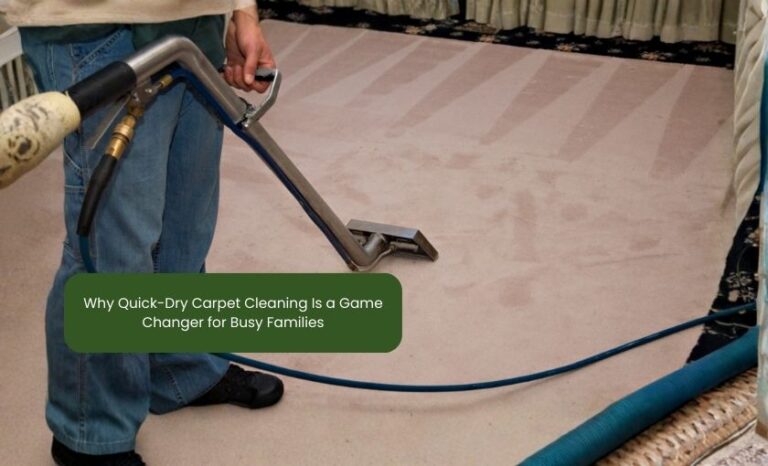
- Hot water extraction (steam cleaning)
- Deep agitation for soil removal
- High-temperature sanitizing
- Specialized stain treatments
- Enzyme applications for pet urine
- pH-balanced rinses
Hot water extraction is the industry-recommended method for truly deep cleaning carpet fibers.
4. Removal of Allergens and Bacteria
Surface cleaning reduces only a fraction of allergens, while deep cleaning removes:
- Dust mites
- Pet dander
- Pollen
- Mold spores
- Bacteria and germs
Deep cleaning sanitizes the carpet, making it a healthier environment—especially important for households with children, pets, or allergy-sensitive individuals.
5. Effect on Stains and Odors
Regular cleaning may lighten minor stains, but it cannot treat:
- Pet urine odors
- Deep-set spills
- Stubborn stains (coffee, wine, ink, grease)
- Mold or mildew smells
Deep cleaning uses specialized stain removers and enzyme-based solutions to break down odor-causing organic mattertrapped in the carpet and padding. This leads to significantly better—and longer-lasting—results.
6. Impact on Carpet Lifespan
Regular upkeep keeps the carpet looking fresh, but only deep cleaning can:
- Remove abrasive particles that break down fibers
- Restore carpet pile and texture
- Prevent matting in high-traffic areas
- Maintain manufacturer warranties
Most carpet warranties require professional deep cleaning every 12–18 months.
Without deep cleaning, carpets wear down faster, become dull, and need replacement sooner.
7. Recommended Frequency
Regular Cleaning:
- Weekly or biweekly vacuuming
- Quick cleanups after spills
- Light shampooing every few months
Deep Cleaning:
- Every 6–12 months for most homes
- Every 4–6 months for homes with pets or kids
- Immediately after major spills, water damage, or odors
Deep cleaning is a periodic service—regular cleaning supports it but cannot replace it.
8. Drying Time Differences
Regular cleaning usually dries quickly because it uses minimal moisture.
Deep cleaning uses more water (especially during hot water extraction), but professional equipment removes most of it using powerful suction. Typical drying times range from:
- 4–12 hours, depending on humidity, carpet thickness, and ventilation.
Professional cleaners often use fans or air movers to speed up the drying process.
9. Cost Difference
Regular cleaning is typically less expensive but offers short-term results.
Deep cleaning costs more because it provides:
- Advanced treatment
- Professional equipment
- Specialized solutions
- Longer-lasting results
However, deep cleaning saves money in the long run by extending the carpet’s lifespan.
10. Which Method Should You Choose?
Use regular carpet cleaning if:
- Your carpets are lightly soiled
- You’re maintaining appearance between deep cleans
- You need quick refreshes
Choose deep cleaning if:
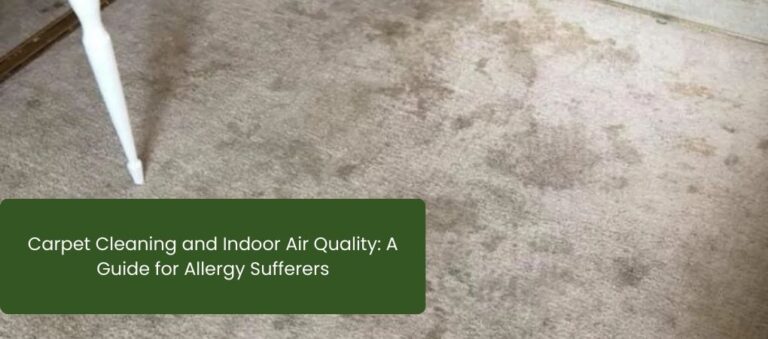
- You see visible stains or dark traffic lanes
- Your carpet feels flat or matted
- There are pet odors or repeated accidents
- Allergy symptoms are increasing
- It has been 6–12 months since your last professional cleaning
A professional technician—like those at Fresh Fiber Clean—can inspect your carpets and recommend the right service for optimal results.
Conclusion
Both regular carpet cleaning and deep carpet cleaning are essential for maintaining clean, healthy, and long-lasting carpets—but they serve very different purposes. Regular cleaning helps remove surface dirt and keeps carpets looking fresh day-to-day. Deep cleaning, however, targets the root of the problem by removing embedded dirt, bacteria, stains, and odors while restoring the carpet’s appearance and extending its lifespan.
For homeowners in Hartford, CT, choosing a trusted company like Fresh Fiber Clean ensures your carpets get the right level of care, with professional equipment, safe cleaning solutions, and proven techniques that deliver long-lasting results. Understanding the difference between the two cleaning types helps you make informed decisions—and keeps your home cleaner, healthier, and more comfortable.
FAQs About Deep Cleaning vs. Regular Carpet Cleaning
Q1.What’s the main difference between deep cleaning and regular cleaning?
Ans.
Regular cleaning removes surface soil, while deep cleaning extracts embedded dirt, allergens, and bacteria.
Q2.Is deep carpet cleaning necessary if I vacuum regularly?
Ans.Yes. Vacuuming doesn’t remove deep debris, stains, or odors trapped within the carpet fibers.
Q3.How often should carpets be deep cleaned?
Ans.
Every 6-12 months, depending on pets, traffic, and lifestyle.
Q4.Does deep cleaning damage carpets?
Ans.
No. When done professionally, it’s the safest method and recommended by manufacturers.
Q5.Does deep cleaning remove odors?
Ans.Yes. Enzyme treatments in deep cleaning break down odor-causing bacteria and pet urine crystals.
Q6.How long does deep cleaning take to dry?
Ans.Typically 4-12 hours depending on conditions and carpet materials.
Q7.Can regular cleaning remove stains?
Ans.
Regular cleaning may lighten minor stains, but deep cleaning is needed for permanent stain removal.
Q8.Is deep cleaning better for allergy relief?
Ans.
Absolutely! Deep cleaning removes allergens like dust mites, pollen, and pet dander.
Q9.Does deep cleaning cost more?
Ans.Yes, but it provides longer-lasting results and helps extend carpet lifespan.
Q10.Will deep cleaning restore my carpet’s texture?
Ans.
Yes! steam cleaning and grooming revive carpet fibers and reduce matting.