
Carpet Cleaning and Indoor Air Quality: A Guide for Allergy Sufferers
If you or someone in your household struggles with allergies, asthma, or respiratory irritation, you probably know how important indoor air quality is. Yet one of the biggest contributors to poor indoor air quality is often overlooked — the carpet beneath your feet. While carpets create warmth, comfort, and style in a home, they also act like giant filters, trapping dust, pollen, pet dander, mold spores, and other airborne particles. Over time, these allergens build up and circulate back into the air, worsening symptoms.
Understanding the link between carpet cleaning and indoor air quality can help allergy sufferers take control of their living environment. This guide breaks down why carpets impact your respiratory health, the best cleaning methods, and how a maintenance plan can significantly reduce allergy flare-ups — especially for households in Hartford, CT, where seasonal allergies are common.
Why Carpets Affect Indoor Air Quality
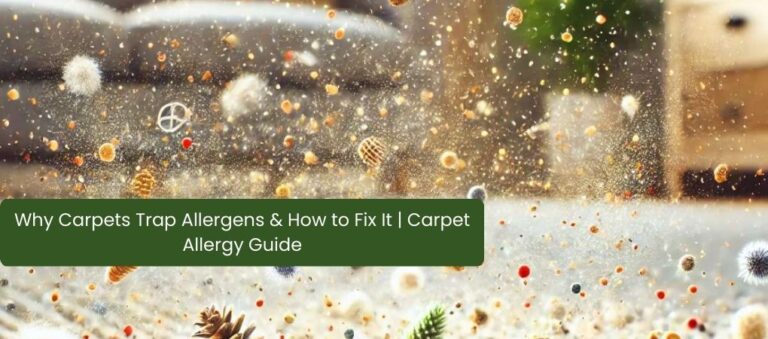
Carpet fibers are woven in a way that naturally traps microscopic particles. Every day, allergens land on carpet surfaces from:
- Shoes and clothing
- Open windows and doors
- Airborne transmission from HVAC systems
- Pet fur and dander
- Food crumbs and moisture
Even if a carpet looks clean, allergens and irritants settle deep within the fibers. Each step releases them into the air again — a phenomenon known as allergen re-aerosolization. This is why many allergy sufferers notice symptoms worsen when walking across a carpeted room, vacuuming, or even when the heating/cooling system is running.
Indoor Allergens Commonly Found in Carpets
The most frequent allergy-triggering pollutants embedded in carpets include:
| Allergen Type | How It Affects You |
| Dust mites | Sneezing, coughing, runny nose, itchy eyes |
| Pet dander | Skin irritation, asthma flare-ups |
| Pollen | Seasonal allergy symptoms indoors |
| Mold spores | Sinus congestion, breathing difficulty |
| VOCs (from spills + chemical cleaners) | Headaches, dizziness, respiratory irritation |
For individuals with asthma or chronic allergies, prolonged exposure can significantly affect day-to-day comfort and sleep quality.
Why Vacuuming Alone Isn’t Enough
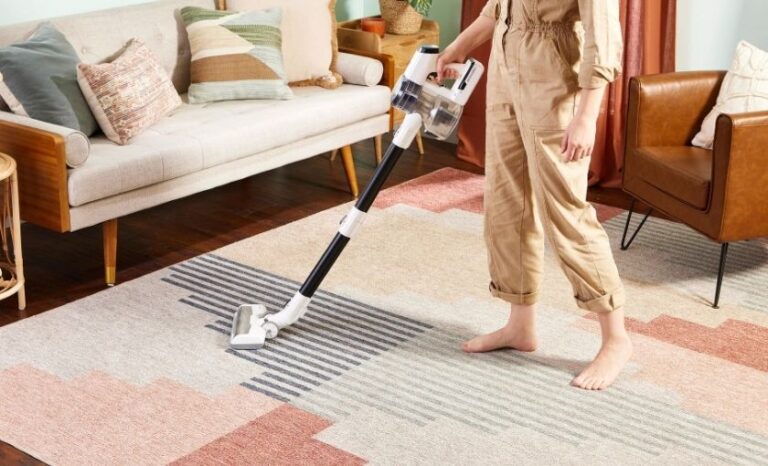
Vacuuming should be part of every cleaning routine — but it’s only a partial solution. Most household vacuums remove surface-level dust, but they are not strong enough to extract deeply embedded allergens. Standard bagless models can even push fine particles back into the air.
For households with allergy sufferers, consider using a vacuum with HEPA filtration. These models trap 99.97% of particles as small as 0.3 microns and help prevent allergens from circulating back into the air. Still, even HEPA vacuums can’t reach the deepest layers of the carpet, which is why deep professional cleaning is essential.
How Professional Carpet Cleaning Improves Indoor Air Quality
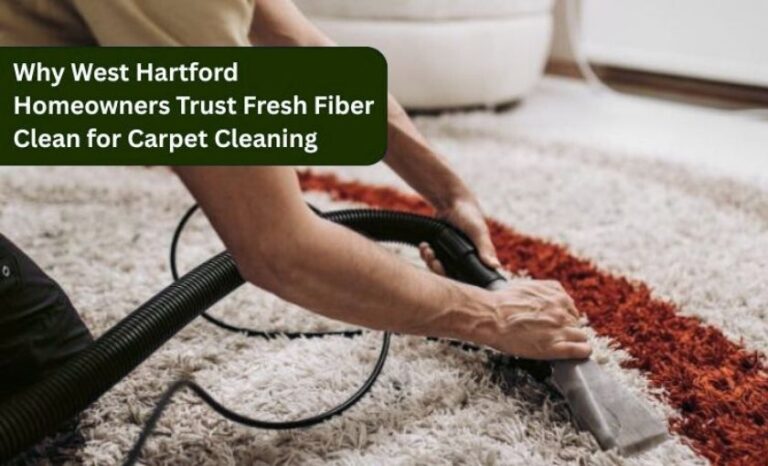
Professional carpet cleaning goes far beyond vacuuming and DIY shampoo machines. Methods such as hot water extraction — recommended by most carpet manufacturers — flush out allergens, bacteria, and pollutants trapped deep in carpet fibers.
Professional carpet cleaners use:
- Heated water to kill germs and dust mites
- High-pressure equipment to dislodge stubborn particles
- Industrial-grade suction to remove contaminants and moisture
- Safe, non-toxic cleaning products
This process dramatically reduces allergens and improves indoor air quality for weeks or even months.
If allergy symptoms are persistent in your household, scheduling a professional deep cleaning with a trusted local company like Fresh Fiber Clean in Hartford, CT can make a noticeable difference.
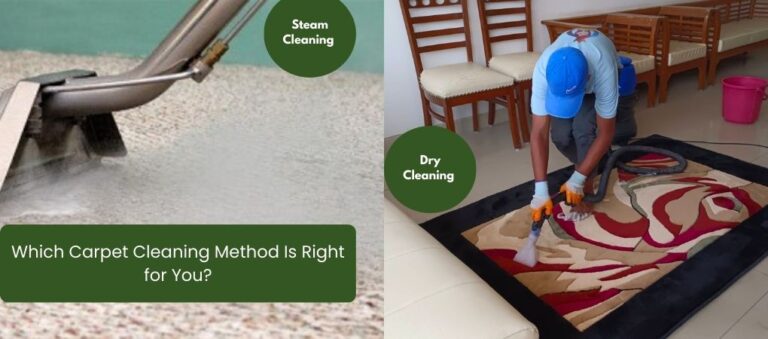
Steam Cleaning vs. Shampooing: What’s Better for Allergy Sufferers?
Not all cleaning techniques offer the same health benefits.
| Cleaning Type | Pros | Cons |
| Steam / Hot Water Extraction | Removes allergens, bacteria, and deep dirt | Requires drying time |
| Dry Cleaning | Quick drying, good for maintenance | Does not fully remove allergens |
| Shampooing | Lifts stains | May leave residue that attracts more dirt |
| DIY Rental Machines | Cost-friendly | Ineffective on deep allergens; can cause moisture problems |
For allergy-sensitive homes, steam cleaning (hot water extraction) is the top choice, as it sanitizes, deodorizes, and removes deeply embedded irritants without leaving chemical residue behind.
How Often Should Allergy Sufferers Clean Their Carpets?
While a typical household might clean carpets once a year, those with allergies should follow:
- Vacuuming: 2–3 times per week (with HEPA filter)
- Professional deep cleaning: Every 4–6 months
- High-traffic areas: Consider seasonal cleaning
For homes with pets, multiple kids, or high humidity, more frequent cleanings may be recommended to prevent dust mite and mold buildup.
Prevention Tips: Keeping Allergens Out of Your Carpets
Besides regular cleaning, these simple lifestyle changes can make a huge difference:
✔ Remove shoes at the door
✔ Brush and bathe pets frequently
✔ Use a dehumidifier to prevent mold growth
✔ Keep windows closed during high-pollen days
✔ Change HVAC filters every 30–60 days
✔ Use doormats at every entry point
These habits minimize the number of allergens landing on your carpet in the first place.
Signs Your Carpet May Be Harming Indoor Air Quality
You may notice worsening indoor allergies when:
- Symptoms improve outdoors but worsen indoors
- You sneeze or cough more when vacuuming
- You wake up congested or with a sore throat
- Rooms smell musty or dusty
- There are visible stains, matting, or discoloration
If you’ve noticed one or more of these signs, it’s likely time for a deep clean. A professional cleaning service like Fresh Fiber Clean not only removes allergens but also restores freshness and extends the carpet’s lifespan.
A Fresh-Air Approach to Living Comfortably with Carpets
Carpets don’t have to be replaced to reduce allergy symptoms. With the right cleaning schedule and preventive habits, they can continue to add comfort without compromising health. Many Hartford, CT homes struggle with seasonal allergies — and addressing carpet cleanliness offers one of the fastest improvements to indoor air quality.
Whether you’re managing allergies yourself or caring for a sensitive family member, prioritizing carpet hygiene is a smart — and highly effective — way to breathe easier at home.
Top 10 FAQs About Carpet Cleaning & Indoor Air Quality
Q1. Do carpets make allergies worse?
Ans.Yes, carpets trap allergens like dust, pollen, and pet dander, which can worsen allergy symptoms if not cleaned properly.
Q2. What carpet cleaning method is best for allergy sufferers?
Ans. Hot water extraction (steam cleaning) is most effective at removing deep allergens and sanitizing carpets.
Q3. How often should carpets be professionally cleaned for allergies?
Ans. Every 4 to 6 months is recommended for allergy-sensitive households.
Q4. Can vacuuming replace professional carpet cleaning?
Ans. No. Vacuuming removes only surface dirt. Deep-embedded allergens require professional cleaning.
Q5. Are chemical cleaning products safe for people with allergies?
Ans. Choose green, non-toxic, and fragrance-free products to avoid respiratory irritation.
Q6. Does carpet cleaning remove dust mites?
Ans.Yes. Professional steam cleaning uses high heat that kills dust mites and removes their waste particles.
Q7. Can dirty carpets trigger asthma attacks?
Ans. Absolutely. Dust, mold, and pet dander in carpets can aggravate asthma and breathing problems.
Q8. How do I reduce allergens between cleanings?
Ans. Vacuum with a HEPA filter, control humidity, remove shoes at the door, and groom pets regularly.
Q9. Should carpets be removed if someone has allergies?
Ans. Not always. With proper cleaning and maintenance, carpets can remain allergy-friendly.
Q10. Can I clean my carpets myself instead of hiring a professional?
Ans. DIY machines help with surface stains but do not eliminate deep allergens. Professional services like Fresh Fiber Clean provide the thorough cleaning needed for allergy relief.