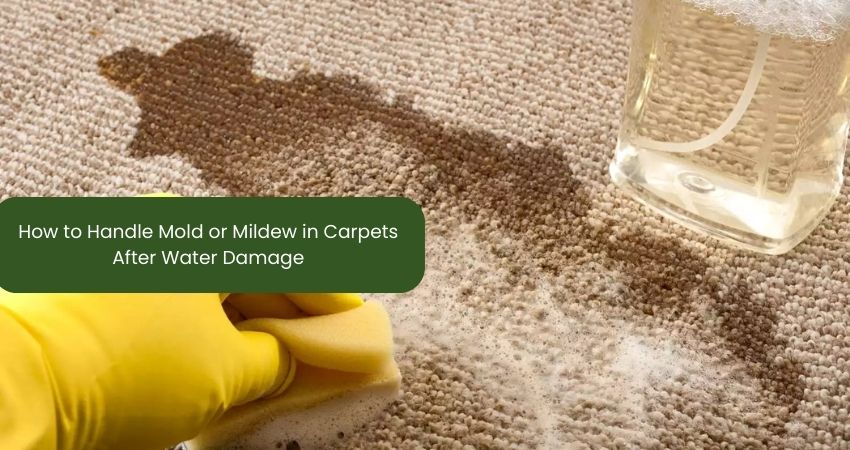
How to Handle Mold or Mildew in Carpets After Water Damage
Water damage is one of the most serious threats to carpets. Whether caused by a leaky pipe, overflowing washing machine, or flooding, moisture can seep deep into carpet fibers and padding, creating the perfect environment for mold and mildew growth. These fungi not only damage carpets, but they can also cause musty odors, structural issues, and health concerns for your family.
At Fresh Fiber Clean in West Hartford, CT, we specialize in eco-friendly professional carpet cleaning and water-damage restoration. Our approach focuses on removing mold and mildew safely, protecting fibers, and ensuring your home is healthy. In this guide, we’ll explain how mold develops after water damage, safe removal strategies, and preventative measures to keep carpets fresh.
Why Mold and Mildew Develop in Carpets
Carpets act like sponges, absorbing and retaining moisture. Mold and mildew develop under these conditions:
- Excess moisture: Water from spills, leaks, or flooding penetrates fibers and padding.
- Poor ventilation: Stagnant air prevents carpets from drying quickly.
- Organic matter: Dirt, dust, and debris in carpets provide nutrients for fungal growth.
- Warm environments: Mold thrives in warm, damp conditions.
Once mold or mildew starts, it can spread rapidly, leaving stains, odors, and weakening the carpet fibers. Early detection and intervention are critical.
Step 1: Assess the Damage
Before attempting any cleaning, determine the extent of water damage:
- Check if water has reached the padding or subfloor.
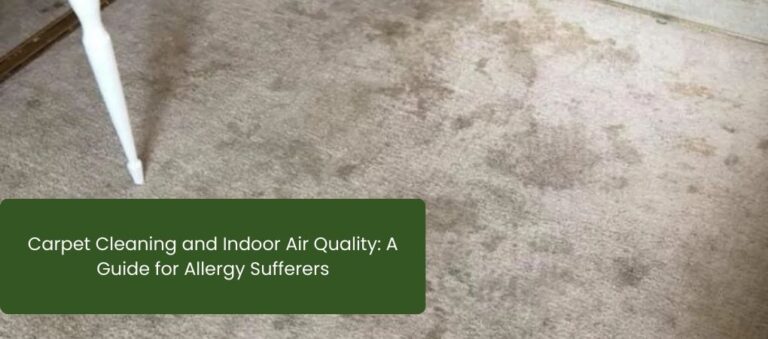
- Look for visible discoloration or mold spots.
- Smell for musty odors, a clear sign of fungal growth.
- Determine the type of water: clean water, gray water, or contaminated water (sewage).
This assessment helps you choose the safest and most effective cleaning method. Severe water damage or contaminated water may require specialized professional restoration.
Step 2: Act Quickly to Limit Mold Growth
Time is critical when addressing water-damaged carpets:
- Remove standing water immediately using mops, towels, or a wet-dry vacuum.
- Dry the carpet quickly with fans, dehumidifiers, or open windows to prevent mold spores from multiplying.
- Avoid walking on wet carpets, as this can spread water and fungal spores.
Quick action helps prevent minor water damage from turning into extensive mold infestation.
Step 3: Eco-Friendly Cleaning Solutions for Mold and Mildew
For minor mold or mildew, eco-friendly solutions are safe and effective:
- White vinegar: Neutralizes mold spores without leaving toxic residues.
- Baking soda: Absorbs moisture and eliminates odor.
- Hydrogen peroxide (3%): Can be used cautiously on colorfast carpets to treat small areas.
- Enzyme-based cleaners: Break down organic matter that supports mold growth.
These solutions are non-toxic, safe for pets and children, and prevent fiber damage compared to harsh chemical treatments.
Step 4: Professional Carpet Cleaning for Water-Damaged Carpets
For moderate to severe water damage, professional cleaning is often the best option:
- Hot water extraction: Removes deep water and lifts mold from fibers.
- High-powered drying systems: Ensure carpets dry completely, preventing recurring mold.
- Eco-friendly anti-microbial treatments: Neutralize mold spores safely.
- Padding inspection and replacement: Saturated padding is a breeding ground for mold and may need replacement.
Professional cleaning ensures that mold is removed at the source, not just masked by deodorizing sprays, and protects carpets from permanent structural or aesthetic damage.
Step 5: Preventing Future Mold and Mildew
Once carpets are restored, take steps to prevent mold growth:
- Address water leaks promptly to stop moisture accumulation.
- Use dehumidifiers or fans in humid areas.
- Schedule regular professional eco-friendly carpet cleaning to maintain fiber health and freshness.
- Apply eco-friendly carpet protectants to repel moisture and stains.
- Ensure proper ventilation in basements, bathrooms, and kitchens.
These measures reduce the risk of mold returning and prolong the life of your carpet.
Common Mistakes to Avoid After Water Damage
Many homeowners inadvertently worsen mold problems by:
- Walking on wet carpets and spreading water
- Using bleach or harsh chemicals, which may damage fibers or discolor carpets
- Neglecting padding, which can harbor mold even after surface cleaning
- Waiting too long before drying, allowing spores to proliferate
Professional eco-friendly methods prevent these mistakes while restoring both carpet health and indoor air quality.
Why Eco-Friendly Cleaning Matters
Traditional chemical-based treatments may remove mold but can leave behind residues, irritants, or fumes. Eco-friendly cleaning offers:
- Safe removal of mold and mildew without toxic chemicals
- Protection for pets, children, and family members
- Fiber preservation, maintaining carpet texture and color
- Environmentally responsible methods with biodegradable solutions
By using green cleaning methods, homeowners get effective results without compromising safety or the environment.
Outgoing Thoughts
Mold and mildew in carpets after water damage are serious issues that affect both home aesthetics and health. Quick action, proper drying, and eco-friendly cleaning are essential to prevent permanent damage and lingering odors.
Professional services from Fresh Fiber Clean in West Hartford, CT, combine expertise, advanced extraction technology, and eco-friendly solutions to handle water-damaged carpets safely and effectively. Whether dealing with minor spills or major flooding, early intervention ensures that your carpets remain fresh, healthy, and durable for years.
By addressing water damage promptly and relying on professional eco-conscious methods, homeowners can prevent mold, maintain indoor air quality, and protect the longevity of their carpet investment.
FAQs
Q1. Can I remove mold from carpets myself?
Ans. Minor surface mold can sometimes be treated with vinegar or baking soda, but professional cleaning is safest for deep or widespread infestations.
Q2. How long does mold take to develop in wet carpets?
Ans. Mold can begin growing within 24–48 hours if carpets remain damp.
Q3. Are eco-friendly cleaners effective against mold?
Ans. Yes, enzyme-based and vinegar solutions neutralize mold safely without harsh chemicals.
Q4. Should I replace carpet padding after water damage?
Ans. If the padding is saturated, it often needs replacement to prevent mold recurrence.
Q5. How quickly should carpets be dried after water damage?
Ans. Within 24–48 hours to prevent mold growth. Fans, dehumidifiers, and proper ventilation help.
Q6. Can bleach be used to remove mold?
Ans. Bleach can damage fibers and discolor carpets. Eco-friendly treatments are safer and effective.
Q7. How do professionals remove mold from carpets?
Ans. They use hot water extraction, high-powered drying, and eco-friendly anti-microbial treatments to remove mold at the source.
Q8. Can mold in carpets cause health problems?
Ans. Yes, mold spores can trigger allergies, respiratory issues, and aggravate asthma.
Q9. How often should carpets be professionally cleaned to prevent mold?
Ans. Every 6–12 months, with prompt treatment for spills or water exposure.
Q10. Why choose Fresh Fiber Clean for mold and water damage?
Ans. We offer eco-friendly, professional solutions that remove mold safely, protect carpet fibers, and ensure a healthy home environment.