
Steam Cleaning vs. Dry Cleaning: Which Carpet Cleaning Method Is Right for You?
Choosing the right carpet cleaning method can feel confusing—especially when both steam cleaning and dry cleaning claim to deliver spotless results. Yet, each technique has its own strengths, limitations, and ideal use cases. Understanding how both methods work will help you decide which option best suits your home, lifestyle, and carpet type.
Whether you're dealing with tough stains, allergies, pet hair, or routine maintenance, selecting the right process can extend the life of your carpet and improve indoor air quality. And when you need professional help, companies like Fresh Fiber Clean in Hartford, CT, can guide you with expert, method-based recommendations.
Let’s break down both methods in detail so you can make an informed decision.
What Is Steam Cleaning?
Steam cleaning—also referred to as hot water extraction—is one of the most widely recommended carpet cleaning methods in the industry. Despite the name, it doesn’t rely purely on steam. Instead, it uses hot water mixed with a cleaning solution, which is then injected into the carpet under high pressure.
A powerful extraction machine then pulls out the water, dirt, and residue from deep within the carpet fibers.
How Steam Cleaning Works
- The technician vacuums the carpet to remove loose dirt.
- A preconditioning solution is applied to loosen embedded soils.
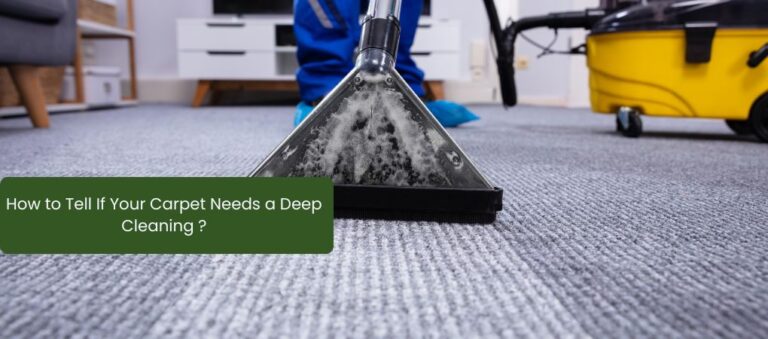
- Hot water is injected deep into the carpet using high-pressure equipment.
- A suction wand extracts water + dirt simultaneously.
- The carpet is left to dry naturally over 6–12 hours (depending on ventilation, carpet material, and weather conditions).
Advantages of Steam Cleaning
- Deep Cleaning Power
Steam cleaning reaches the lower layers of carpet fibers, making it ideal for heavy soil, pet stains, allergens, and bacteria.
- Kills Germs and Allergens
The high temperature helps eliminate dust mites, mold spores, and bacteria, improving indoor air quality—especially useful for families with asthma or allergies.
- Recommended by Carpet Manufacturers
Most carpet warranties prefer or even require steam cleaning because it removes residue without damaging fibers.
- Eco-Friendly Option
Steam cleaning uses water as its main cleaning agent, reducing the need for harsh chemicals.
Disadvantages of Steam Cleaning
- Longer Drying Time
Carpets may take several hours to completely dry, which can be inconvenient for busy households.
- Potential for Over-Wetting
If done incorrectly, over-wetting can lead to mold or mildew. This is why professional services like Fresh Fiber Clean ensure proper water extraction using commercial-grade equipment.
- Not Ideal for All Carpet Types
Some delicate or natural fiber carpets (like sisal) may not tolerate excess moisture.
What Is Dry Cleaning for Carpets?
Dry carpet cleaning is a low-moisture method that uses specialized compounds, powders, or encapsulation solutions to clean carpets without saturating them with water. The term “dry” doesn’t mean zero moisture—but it uses significantly less water compared to steam cleaning.
How Dry Cleaning Works
- The carpet is vacuumed thoroughly to remove loose debris.
- A dry cleaning compound or encapsulation solution is applied.
- Machines with rotating brushes work the compound deep into the fibers.
- The compound traps dirt and soil.
- The carpet is vacuumed again to remove the encapsulated particles.
Advantages of Dry Cleaning
- Extremely Quick Drying Time
Most carpets are ready to walk on within 30–60 minutes, making this method perfect for homes with kids, pets, or busy schedules.
- Great for Routine Maintenance
Dry cleaning freshens the carpet surface and removes light soils efficiently.
- Safe for Delicate Carpet Fibers
Materials sensitive to water—like certain natural fibers—respond better to dry cleaning.
- No Risk of Mold or Over-Wetting
Since moisture is minimal, there’s little chance of lingering dampness.
Disadvantages of Dry Cleaning
- Not Truly “Deep Cleaning”
Dry cleaning primarily targets the surface layer. It may not remove deep-set stains or heavy soil.
- Some Chemical Residue Risk
Depending on the quality of the products used, residue may remain if not removed properly.
- Less Effective for Allergens
Since it doesn’t flush out dirt and dust from deeper layers, it may not be ideal for people with allergies.
Steam Cleaning vs. Dry Cleaning: Which Method Is Best?
Your choice depends on your carpet’s condition, your household needs, and how quickly you need the carpet ready for use. Below is a comparison to help you decide:
1. For Deep Stains and Heavy Soil: Choose Steam Cleaning
If your carpet has deep-set stains, pet accidents, grime buildup, or strong odors, steam cleaning is the superior choice. The hot water extraction process penetrates the fibers more effectively.
2. For Quick Use After Cleaning: Choose Dry Cleaning
Dry cleaning offers rapid drying times, making it perfect for:
- Busy households
- High-traffic hallways
- Office settings
- Homes with children or elderly residents
3. For Allergy Relief: Choose Steam Cleaning
Steam cleaning removes dust mites, pet dander, pollen, and bacteria from the deeper layers of the carpet, significantly improving air quality.
4. For Delicate or Water-Sensitive Carpets: Choose Dry Cleaning
Natural fibers, commercial carpet tiles, and certain rugs fare better with low-moisture methods.
5. For Regular Maintenance Cleaning: Choose Dry Cleaning
If your carpets need frequent but light refreshing, dry cleaning is efficient and convenient.
6. For Annual Deep Cleaning: Choose Steam Cleaning
Most homes benefit from one or two professional steam cleanings per year, depending on foot traffic and carpet type.
When to Use a Professional Carpet Cleaning Service
While DIY cleaning machines exist, they often lack the power needed for deep extraction. Incorrect use may damage carpet fibers or leave moisture behind.
Professional cleaners use industrial-grade equipment, trained techniques, and safe cleaning agents. This is where a trusted Hartford, CT service like Fresh Fiber Clean becomes valuable. They assess your carpet type and soil level, then recommend steam or dry cleaning based on what will deliver the best long-term results.
Which Method Is Better for Your Home? Key Decision Guide
Ask yourself the following questions:
1. How quickly do I need the carpet dry?
- Immediately or within 1 hour? → Dry Cleaning
- Drying time is not a concern? → Steam Cleaning
2. What type of cleaning do I need?
- Surface refresh? → Dry Cleaning
- Deep cleaning, sanitation, or odor removal? → Steam Cleaning
3. Do I have pets or toddlers?
- Yes? Steam cleaning is typically more effective for removing germs, spills, and pet stains.
4. Does anyone in the home suffer from allergies?
- Yes? Steam cleaning is the better choice.
5. What kind of carpet do I have?
- Water-sensitive fibers? → Dry Cleaning
- Stain-resistant synthetic fibers? → Steam Cleaning
Ultimately, choosing between steam and dry cleaning depends on your home’s specific needs. Many homeowners alternate between both methods—routine dry cleans throughout the year, paired with annual steam cleaning for deep sanitation.
FAQs About Steam Cleaning vs. Dry Cleaning
Q1. Is steam cleaning the same as hot water extraction?
Ans. Yes. Steam cleaning is commonly used to refer to hot water extraction, the industry-standard deep cleaning method.
Q2. How long does steam cleaning take to dry?
Ans.
Most carpets dry within 6–12 hours, depending on airflow, carpet thickness, and humidity.
Q3. Does dry cleaning leave residue on carpets?
Ans.
High-quality dry cleaning compounds are designed to be fully vacuumed out, but low-grade products may leave slight residue if not extracted properly.
Q4. Which method removes pet stains better?
Ans.Steam cleaning is more effective for deep-set pet stains and odors.
Q5. Can all carpets be steam cleaned?
Ans.Most synthetic carpets can be steam cleaned safely. Delicate or natural fibers may require low-moisture cleaning instead.
Q6. Is dry cleaning safe for people with allergies?
Ans.
It’s safe but less effective for allergen removal compared to steam cleaning.
Q7. How often should I get my carpets professionally cleaned?
Ans.
Most homes should schedule steam cleaning once or twice a year and use dry cleaning as needed for maintenance.
Q8. Does dry cleaning disinfect the carpet?
Ans. Not fully. Dry cleaning is primarily for soil removal, while steam cleaning offers deeper sanitization.
Q9. Can DIY carpet cleaners replace professional cleaning?
Ans.
DIY machines help with minor upkeep but cannot match the extraction power of professional equipment used by companies like Fresh Fiber Clean.
Q10. Which method is cheaper?
Ans. Dry cleaning is often slightly cheaper, but steam cleaning offers deeper results and better long-term value.