How Connecticut’s Climate Affects the Lifespan of Your Carpet?
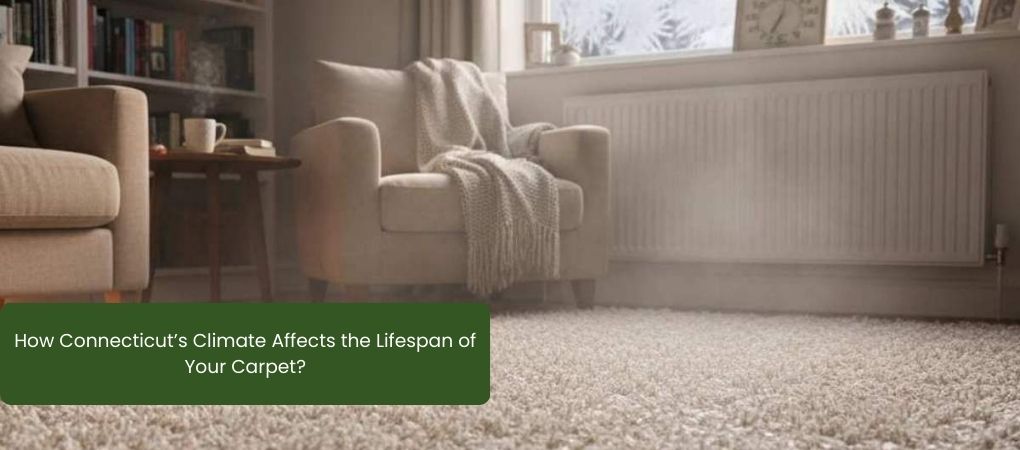
Carpets bring warmth, comfort, and a touch of luxury to any home. But if you live in Connecticut, you might have noticed that your carpets wear out faster than expected — even with regular vacuuming. That’s because the Connecticut climate, with its humid summers, cold winters, and unpredictable temperature shifts, can have a major impact on your carpet’s condition and lifespan.
From moisture buildup to salt residue, the state’s weather introduces challenges that can’t be solved by routine cleaning alone. Let’s explore how Connecticut’s climate affects your carpet and what you can do to protect your investment for years to come.
Understanding Connecticut’s Climate: A Quick Overview
Connecticut experiences four distinct seasons — cold, snowy winters and hot, humid summers, with frequent rainfall throughout the year. Hartford, CT, for example, averages around 45 inches of rain and 37 inches of snow annually, creating a consistently damp environment.
This mix of moisture, temperature fluctuations, and indoor heating or cooling cycles directly affects the fibers, backing, and padding of your carpet. Over time, these conditions can lead to fading, mold growth, odor retention, and structural breakdown if not properly managed.
How Connecticut’s Climate Impacts Carpet Longevity
1. Winter Salt and Slush Damage
During winter, sidewalks and driveways in Connecticut are coated with salt to melt snow and ice. Unfortunately, that same salt often ends up inside your home, tracked in by shoes or pets.
Salt granules can act like tiny blades that scratch and weaken carpet fibers, while the slushy water creates dampness that seeps into the padding. Over time, this combination leads to discoloration, stiffness, and premature wear.
2. Moisture and Humidity Issues
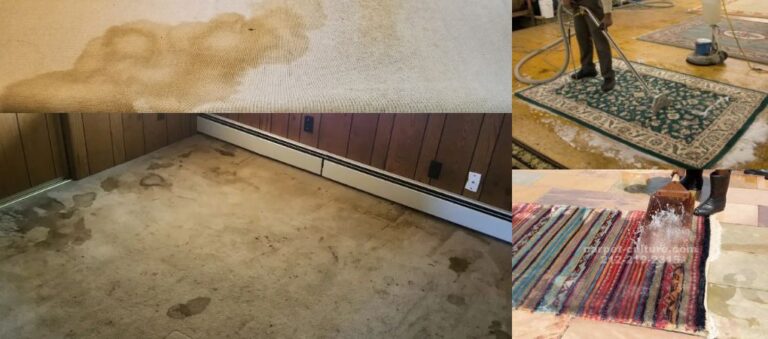
Connecticut’s humid summers can cause indoor moisture levels to rise, especially in homes without proper ventilation or air conditioning. This moisture can be absorbed by carpet fibers, making them sticky, musty, or prone to mold and mildew.
In areas like basements or entryways, humidity-related damage is even more severe. A professional deep cleaning by companies such as Fresh Fiber Clean in Hartford, CT, can help remove hidden moisture and bacteria before they cause lasting damage.
3. Mold and Mildew Growth
When moisture lingers beneath your carpet, it creates the perfect environment for mold spores to thrive. Mold not only causes unpleasant odors but can also lead to allergic reactions and respiratory problems.
Connecticut’s wet springs and snow-heavy winters make this issue common, especially in older homes with limited ventilation. Regular deep cleaning and dehumidification can help prevent this hidden health hazard.
4. Temperature Fluctuations and Fiber Expansion
The state’s fluctuating temperatures — warm and humid in summer, freezing in winter — can make carpet fibers expand and contract. Over time, this weakens the backing and causes stretching or rippling.
Synthetic carpets like nylon and polyester tend to handle this better than natural fibers such as wool, which are more sensitive to humidity changes.
5. Mud and Dirt During Transitional Seasons
Connecticut’s spring and fall are known for heavy rainfall, turning outdoor soil into mud. When this mud gets tracked inside, it embeds itself deep within carpet fibers, creating abrasion and discoloration.
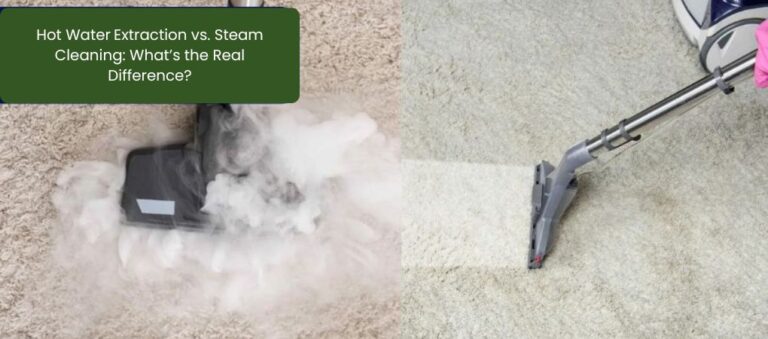
Even vacuuming may not remove all of it, which is why periodic steam cleaning or hot water extraction is essential to maintain carpet freshness.
6. Sun Exposure and Fading
Though Connecticut isn’t known for extreme heat, UV exposure can still fade carpet colors over time — especially in rooms with large windows or skylights. Prolonged sunlight breaks down dye molecules, making carpets appear dull or unevenly colored.
Using blinds or UV-protective window films can help preserve your carpet’s original shade.
7. Allergens and Pollen During Spring
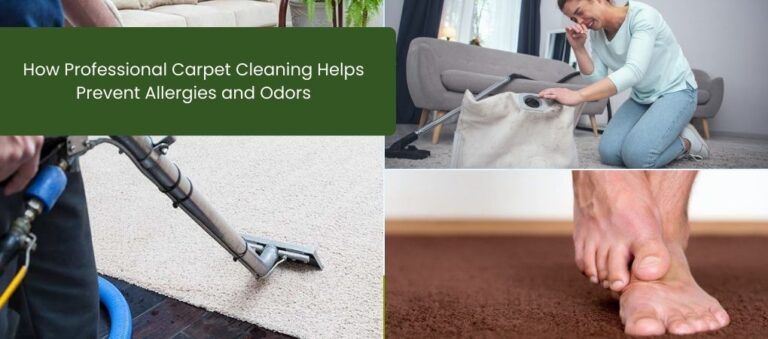
Connecticut’s lush spring season brings pollen, spores, and other allergens into your home. These tiny particles settle deep into carpets, causing sneezing, watery eyes, and discomfort — especially for allergy-prone families.
A professional cleaning from Fresh Fiber Clean removes trapped allergens and refreshes indoor air quality, ensuring a healthier living environment.
8. Pet and Foot Traffic Combined with Weather
When you combine pets, children, and Connecticut’s muddy or snowy climate, your carpets face a perfect storm of stains, odor, and matting. Moisture from wet paws or boots can create lingering smells and lead to fiber breakdown.
Frequent vacuuming helps, but scheduling professional carpet cleaning every 6 to 12 months ensures deep sanitization and fiber restoration.
9. Indoor Heating and Dryness
In winter, homeowners in Hartford and surrounding areas rely heavily on indoor heating, which reduces humidity levels. While this might seem good for preventing mold, it can cause carpet fibers to dry out and become brittle, shortening their lifespan.
Using humidifiers and proper maintenance can help balance indoor air moisture levels.
10. Year-Round Dust and Airborne Pollutants
Connecticut’s blend of urban and suburban environments means that dust, car emissions, and other airborne pollutants often settle indoors. Carpets act like filters, trapping these contaminants — but over time, they build up and dull carpet appearance.
A deep professional cleaning eliminates this buildup and revives the texture, extending the overall life of your carpet.
How to Protect Your Carpet from Connecticut’s Climate
Here are a few actionable steps homeowners can take:
- Vacuum regularly: Especially during winter and rainy months.
- Use doormats: Place mats both outside and inside entryways to trap dirt and salt.
- Control humidity: Use dehumidifiers in summer and humidifiers in winter to maintain balance.
- Schedule professional cleanings: Hiring a trusted service like Fresh Fiber Clean in Hartford, CT, ensures your carpet receives climate-specific care using deep extraction and drying techniques.
- Rearrange furniture periodically: Prevent uneven fading or pressure wear.
- Address spills immediately: Prevent stains from setting in due to moisture and humidity.
Why Regular Professional Cleaning Matters
DIY cleaning can handle surface dust, but Connecticut’s changing climate demands professional-grade cleaning methods that target deeper problems — from embedded dirt to moisture trapped in the padding.
Companies like Fresh Fiber Clean use advanced cleaning equipment that removes contaminants, neutralizes salt, kills mold spores, and restores the soft texture of your carpet. Their climate-specific expertise in Hartford ensures your carpet stays cleaner for longer, even through harsh weather cycles.
Final Thoughts
Connecticut’s climate can be tough on your carpet — with humidity, moisture, temperature swings, and salt damage working against it all year long. But with smart care habits and periodic professional maintenance, you can dramatically extend its lifespan.
By understanding how local weather affects your floors and partnering with trusted professionals like Fresh Fiber Clean, Hartford homeowners can protect their investment and enjoy cleaner, healthier carpets that last for years.
FAQs
Q1. How often should I clean my carpet in Connecticut?
Ans. Every 6–12 months, depending on your home’s foot traffic, weather exposure, and whether you have pets or kids.
Q2. Can humidity really damage carpets?
Ans.Yes. High humidity can cause mold, mildew, and musty odors by trapping moisture in carpet fibers.
Q3. Why does salt from winter roads affect carpets?
Ans.Salt granules scratch fibers and leave white stains that can be difficult to remove without professional cleaning.
Q4. What’s the best carpet type for Connecticut’s weather?
Ans. Synthetic materials like nylon or polyester handle moisture and temperature fluctuations better than wool.
Q5. How can I prevent mold under carpets during wet seasons?
Ans. Use dehumidifiers, ensure good ventilation, and schedule regular deep cleanings.
Q6. Does Connecticut’s sun exposure fade carpets?
Ans. Yes, UV rays can gradually fade dyes. Window coverings or UV films help prevent discoloration.
Q7. Should I avoid installing carpet in basements?
Ans. If your basement is damp, choose water-resistant carpet or tiles and use dehumidifiers.
Q8. Can air purifiers help protect carpets?
Ans. Yes. Air purifiers reduce airborne dust and pollen that settle into carpet fibers.
Q9. How can Fresh Fiber Clean help extend my carpet’s life?
Ans. They offer deep cleaning services that remove salt, dirt, and moisture buildup caused by Connecticut’s weather.
Q10. Is professional cleaning really necessary if I vacuum often?
Ans. Yes. Vacuuming only removes surface debris — professional cleaning eliminates deep-seated dirt and bacteria.