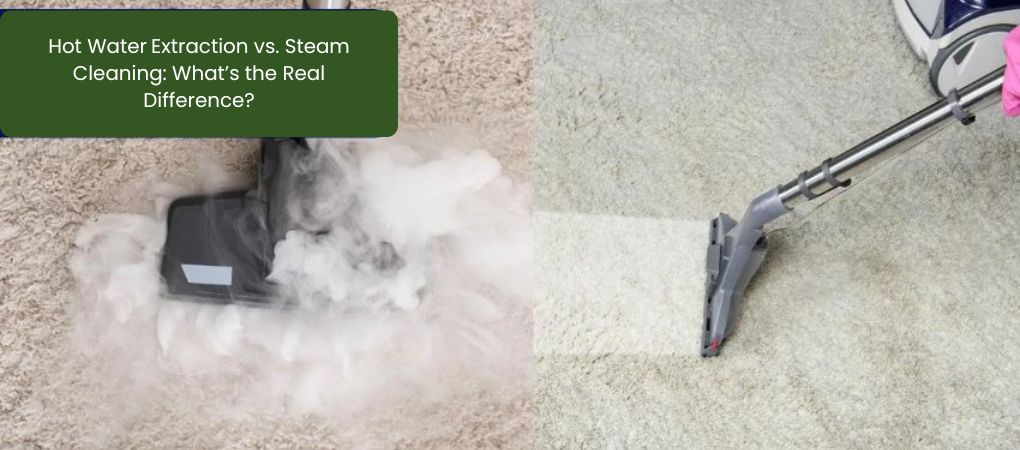
Hot Water Extraction vs. Steam Cleaning: What’s the Real Difference?
Carpet cleaning terminology can be confusing. Homeowners often hear terms like hot water extraction and steam cleaning used interchangeably. While the two methods share similarities, there are important differences that impact cleaning effectiveness, safety, and results. Understanding how each method works helps homeowners choose the best solution for their carpets.
At Fresh Fiber Clean in West Hartford, CT, we use the latest technology and eco-friendly solutions to provide safe, deep-cleaning results for families and pets. This guide breaks down hot water extraction vs. steam cleaning, their techniques, advantages, and what sets professional carpet cleaning apart.
1. Hot Water Extraction: How It Works
Hot water extraction, often referred to as “steam cleaning” by some, is the industry-preferred method for deep carpet cleaning. Here’s how it works:
- Pre-Treatment: Technicians apply an eco-friendly cleaning solution to loosen dirt, oils, and stains embedded in carpet fibers.
- Agitation: Carpets are agitated with brushes or counter-rotating machines to lift debris.
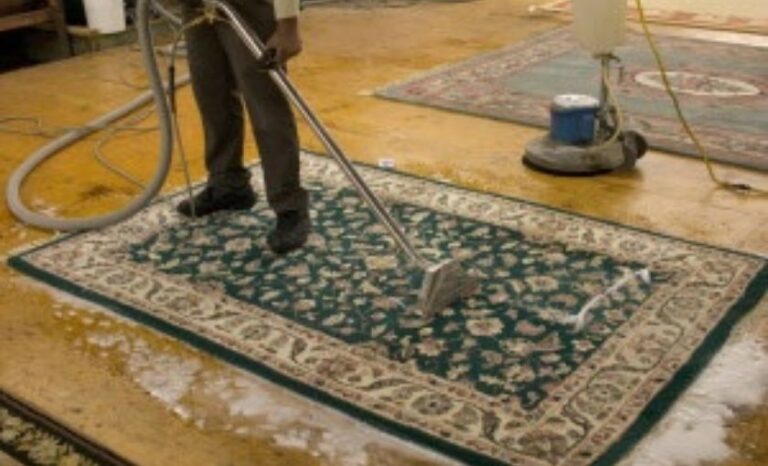
- Hot Water Injection: Heated water (often 150–200°F) is injected under high pressure into the carpet fibers.
- Extraction: Powerful vacuum suction removes the water, dirt, and cleaning solution from the carpet.
- Optional Fiber Protection: After cleaning, a fiber protectant can be applied to prevent future staining.
Hot water extraction removes deep-seated dirt, allergens, and bacteria that routine vacuuming cannot reach. The method is safe for most carpet types and is highly effective for restoring texture, color, and appearance.
2. Steam Cleaning: How It Works
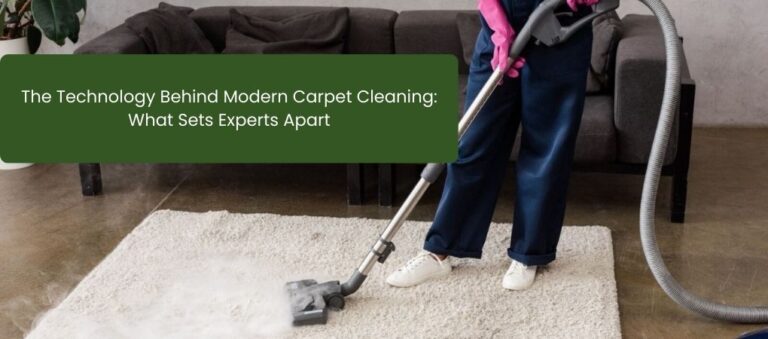
Steam cleaning is often used as a general term for hot water extraction, but in some contexts, it refers to low-moisture steam cleaning methods:
- Dry Steam Cleaning: Uses pressurized steam to sanitize carpets, relying on heat rather than chemicals.
- Surface Cleaning: Typically addresses stains and odors on the surface rather than deep fibers.
- Less Water Usage: Steam cleaning uses minimal water, making it ideal for quick-drying applications.
While steam cleaning is excellent for sanitizing and refreshing carpets, it may not extract embedded dirt and allergens as effectively as hot water extraction.
3. Key Differences Between Hot Water Extraction and Steam Cleaning
| Feature | Hot Water Extraction | Steam Cleaning (Dry/Low-Moisture) |
| Depth of Cleaning | Deep cleaning, reaches the base of carpet fibers | Surface or near-surface cleaning |
| Water Usage | Uses significant hot water | Minimal water or steam |
| Allergen Removal | Highly effective | Moderate effectiveness |
| Drying Time | 2–6 hours depending on carpet thickness | 30 minutes–2 hours |
| Best For | Stubborn stains, heavy traffic, pets, allergens | Quick refresh, odor removal, surface stains |
| Fiber Safety | Safe for most carpet types when used professionally | Safe, but less effective for deep fiber cleaning |
Understanding these differences helps homeowners choose the right method based on carpet type, usage, and cleaning goals.
4. Advantages of Hot Water Extraction
Hot water extraction is widely regarded as the gold standard for professional carpet cleaning:
- Deep Dirt and Allergen Removal: Removes dust, pollen, pet dander, and other allergens from deep within fibers.
- Stain Removal: Breaks down tough, set-in stains with high-temperature water and eco-friendly cleaning agents.
- Odor Elimination: Extracts odors rather than just masking them.
- Carpet Longevity: Protects fibers from abrasion and degradation caused by dirt accumulation.
- Eco-Friendly Options: Modern solutions are biodegradable, non-toxic, and safe for pets and children.
Fresh Fiber Clean technicians pair hot water extraction with eco-conscious products, achieving professional-grade results without harsh chemicals.
5. Advantages of Steam Cleaning
Steam cleaning offers unique benefits, especially for light maintenance and quick cleaning:
- Quick Drying: Minimal moisture allows carpets to dry in under two hours.
- Sanitization: High temperatures kill bacteria and dust mites on the surface.
- Surface Stain Management: Effective for spot cleaning or light refreshes.
- Low Chemical Use: Some methods rely entirely on heat, reducing chemical exposure.
Steam cleaning is a good option for seasonal touch-ups or when you need carpets sanitized quickly, such as before hosting guests.
6. Why Professional Cleaning Matters
While both methods can be attempted with DIY machines, professional expertise ensures superior results:
- Proper pre-treatment and agitation maximize dirt and stain removal.
- Correct temperature and pressure settings prevent fiber damage.
- Specialized equipment extracts more water, reducing drying time and preventing mold growth.
- Professionals assess carpet type and condition to recommend the best cleaning method.
Fresh Fiber Clean combines hot water extraction with trained technicians and eco-friendly products, providing results far superior to home machines.
7. Eco-Friendly Cleaning Solutions in Both Methods
Modern professional carpet cleaning emphasizes safety and sustainability:
- Non-toxic, biodegradable solutions prevent harm to children, pets, and the environment.
- Residue-free formulas reduce dirt re-attraction.
- Fiber protectants can be applied to prevent future staining, reducing the need for harsh chemicals.
Whether using hot water extraction or steam cleaning, eco-friendly solutions enhance cleaning power while protecting homes and families.
8. How to Choose the Right Method
Selecting between hot water extraction and steam cleaning depends on your home’s needs:
- Hot Water Extraction: Best for high-traffic areas, pet stains, allergies, or deep cleaning.
- Steam Cleaning: Ideal for light maintenance, surface stain removal, or quick sanitization.
- Combination Approach: Some homes benefit from surface steam cleaning for regular maintenance and deep hot water extraction periodically.
Fresh Fiber Clean technicians help homeowners choose the most effective method for carpet type, condition, and lifestyle.
9. Tips for Maintaining Clean Carpets Between Professional Cleanings
- Vacuum regularly to remove surface dirt.
- Address spills immediately with blotting, not scrubbing.
- Use mats and rugs in high-traffic areas.
- Schedule recurring professional cleanings every 6–12 months.
- Apply protective treatments to minimize staining and wear.
Proper maintenance ensures your carpets look better, last longer, and stay healthier.
10. Why Fresh Fiber Clean is the Trusted Choice
Homeowners in West Hartford recommend Fresh Fiber Clean because:
- Expert Technicians: Skilled in hot water extraction, steam cleaning, and eco-friendly processes.
- Advanced Equipment: Professional-grade machines remove deep dirt and moisture efficiently.
- Family- and Pet-Safe Products: Non-toxic, biodegradable solutions ensure safe homes.
- Customized Services: Packages tailored to your carpet type, traffic, and household needs.
- Reliable Results: Consistently clean, fresh, and revitalized carpets year after year.
Our combination of technology, technique, and eco-conscious practices delivers professional results and healthier carpets.
FAQs: Hot Water Extraction vs. Steam Cleaning
Q1.Is hot water extraction the same as steam cleaning?
Ans.
Not always. Hot water extraction is a deep-cleaning method, while steam cleaning may refer to surface-level or low-moisture steam cleaning.
Q2.Which method is better for pet stains?
Ans. Hot water extraction is more effective for deep pet stains and odors.
Q3.Can both methods be used on all carpet types?
Ans. Generally, yes, but professionals adjust temperature and pressure for delicate or natural fibers.
Q4.Which method dries faster?
Ans. Steam cleaning uses less water, so carpets typically dry faster than hot water extraction.
Q5.Are professional products safe for children and pets?
Ans. Yes. Fresh Fiber Clean uses non-toxic, eco-friendly, and biodegradable cleaning solutions.
Q6.How often should I have my carpets professionally cleaned?
Ans. Every 6–12 months, depending on traffic, pets, and household activity.
Q7.Can DIY machines achieve the same results as professionals?
Ans. No. Professional equipment and techniques extract more dirt, moisture, and allergens effectively.
Q8.Do both methods remove allergens?
Ans.
Hot water extraction removes allergens deeply, while steam cleaning removes surface allergens.
Q9. Can fiber protectants be applied after either method?
Ans.Yes. Protective treatments can be applied to prolong carpet life and prevent future staining.
Q10. Which method is recommended for high-traffic areas?
Ans. Hot water extraction is preferred for high-traffic zones due to its deep-cleaning power.