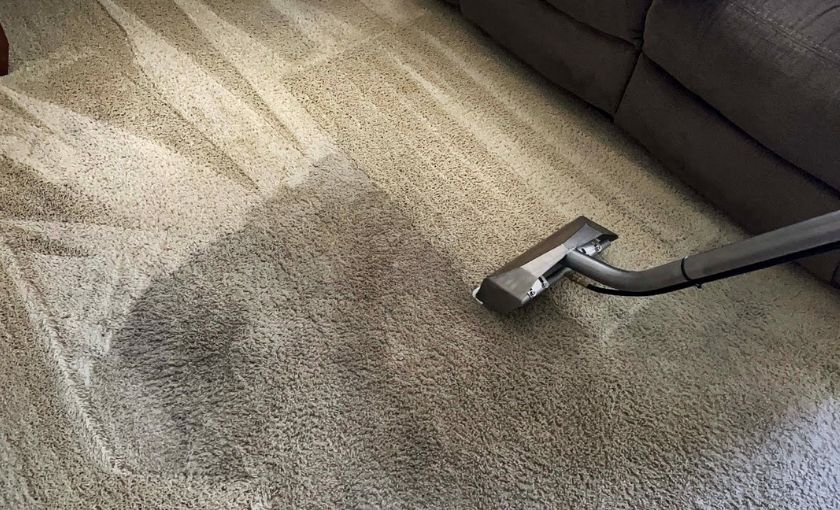
Why Area Rugs Get Dirty Faster Than Carpets
Many homeowners notice that their area rugs begin to look worn, dull, or dirty long before their wall-to-wall carpeting shows similar signs of use. Even in homes with regular vacuuming routines, area rugs often seem to collect stains, odors, and dust more quickly.
This difference is not accidental. Area rugs interact with daily household activity in unique ways that make them more vulnerable to dirt buildup. Understanding why area rugs get dirty faster than carpets helps homeowners maintain cleaner living spaces, protect their flooring investments, and know when professional cleaning becomes necessary.
For families in West Hartford, where seasonal weather and indoor living patterns influence how debris enters the home, learning these differences can make a noticeable impact on both cleanliness and indoor air quality.
Area Rugs Sit in High-Traffic Zones by Design
Unlike installed carpeting, area rugs are intentionally placed where activity is highest. Homeowners use rugs to anchor furniture, define spaces, and add comfort in frequently used areas.
Common rug locations include:
- Living rooms
- Entryways
- Hallways
- Dining areas
- Under coffee tables or seating arrangements
These spaces naturally experience constant foot traffic. Every step introduces dirt, oils, and microscopic debris into rug fibers. Carpeting, by contrast, distributes wear evenly across an entire room, reducing concentrated buildup in one location.
Because rugs absorb repeated pressure in smaller surface areas, contaminants accumulate faster and become embedded more deeply.
Rugs Act as Dirt Catchers Near Entrances
Area rugs are often positioned near doors to trap dirt before it spreads throughout the home. While this placement helps protect floors, it also means rugs absorb the majority of outdoor debris.
Typical contaminants tracked indoors include:
- Soil and sand particles
- Road salt during winter months
- Moisture from rain or snow
- Pollen and plant material
- Bacteria from sidewalks and driveways
In West Hartford, seasonal transitions intensify this effect. Winter brings salt and slush, spring introduces pollen, and fall carries leaves and organic debris indoors. Entryway rugs become the first line of defense, causing them to soil rapidly compared to carpeting located deeper inside the home.
Area Rugs Have Different Fiber Structures
Many area rugs are constructed using natural or decorative fibers that prioritize appearance and texture rather than heavy-duty durability.
Common rug materials include:
- Wool
- Cotton
- Jute
- Silk blends
- Decorative synthetics
These fibers often have looser weaves or softer textures designed for comfort and style. While visually appealing, they allow dirt to settle deeper between fibers more easily than tightly constructed wall-to-wall carpeting.
Carpets installed throughout homes are typically engineered for resilience, with dense fiber construction meant to withstand continuous wear. Rugs, especially decorative ones, may not have the same level of soil resistance.
This structural difference is one of the main reasons rugs require more frequent professional cleaning.
Rugs Experience Uneven Pressure and Compression
Carpets benefit from consistent weight distribution across an entire room. Area rugs, however, experience uneven compression caused by furniture placement and repeated walking paths.
For example:
- Chair legs press fibers down permanently
- Coffee tables trap dust underneath
- Walking paths flatten specific areas
- Pets frequently rest in the same spots
Compressed fibers hold onto dirt more tightly and become harder to clean with regular vacuuming. Once fibers lose their natural lift, debris settles deeper into the rug backing.
Professional cleaning helps restore fiber resilience by removing compacted soil that household cleaning cannot reach.
Area Rugs Are Exposed on All Sides
Wall-to-wall carpeting is secured along edges and protected by baseboards and walls. Area rugs, on the other hand, remain exposed on all sides.
This exposure allows dirt to enter from multiple directions:
- Dust settles underneath rugs
- Air circulation moves debris around edges
- Pets drag dirt across borders
- Shoes contact corners repeatedly
Additionally, debris trapped beneath a rug often goes unnoticed. Over time, friction between the rug and floor grinds dirt into fibers from below, accelerating wear.
Using rug pads can help reduce this issue, but professional cleaning remains necessary to remove accumulated particles.
Vacuuming Is Less Effective on Area Rugs
Many homeowners vacuum area rugs the same way they vacuum carpeting, but rugs often require different techniques and equipment settings.
Standard vacuum cleaners may:
- Be too aggressive for delicate fibers
- Fail to extract deeply embedded dirt
- Miss debris trapped in rug backing
- Cause fringe damage if used improperly
Some rugs also shift during vacuuming, preventing consistent suction. As a result, dirt remains trapped even after regular cleaning.
Professional cleaners use specialized equipment designed to remove dry soil before deep cleaning begins. This step alone can significantly improve cleaning outcomes and extend rug lifespan.
Rugs Absorb More Household Oils and Residue
Area rugs are frequently located where people relax, eat, or gather. This exposes them to oils and residues that carpeting may encounter less frequently.
Examples include:
- Cooking oils carried on feet
- Lotions and skincare products
- Food spills
- Pet oils and dander
- Body oils from sitting or lying down
These substances cling to fibers and create sticky residues that attract additional dirt. Over time, rugs may appear darker or feel stiff due to accumulated buildup.
Eco-friendly professional cleaning breaks down these residues without leaving chemical films behind, helping rugs stay cleaner longer.
Pets Gravitate Toward Area Rugs
Pets naturally prefer soft surfaces, making area rugs one of their favorite resting places. While this adds comfort for animals, it also accelerates contamination.
Pet-related contributors include:
- Hair and dander
- Accidents and odor residue
- Outdoor dirt carried on paws
- Natural oils from fur
Because pets often return to the same rug repeatedly, soil accumulates quickly in localized areas.
Regular professional cleaning helps remove odor-causing bacteria while maintaining a safe environment using non-toxic cleaning solutions that are safe for pets and families.
Rugs Trap Allergens More Easily
Area rugs can hold significant amounts of airborne allergens due to their placement and fiber structure.
Allergens commonly found in rugs include:
- Dust mites
- Pollen
- Mold spores
- Pet allergens
When rugs become overloaded, normal activity releases these particles back into the air. This can contribute to allergy symptoms, especially during seasonal changes common in Connecticut.
Deep eco-friendly cleaning removes allergens at their source rather than masking them, improving indoor air quality throughout the home.
Fresh Fiber Clean focuses on removing contaminants while avoiding harsh chemical fragrances that may irritate sensitive individuals.
Moisture Affects Rugs Differently Than Carpets
Area rugs are more vulnerable to moisture because air circulation beneath them is limited. Spills, humidity, or wet shoes can introduce moisture that becomes trapped within rug layers.
Potential problems include:
- Odor development
- Mildew growth
- Fiber weakening
- Staining beneath the surface
Carpeting installed with padding often includes ventilation and professional-grade drying systems during cleaning. Rugs, however, require careful moisture control to prevent long-term damage.
Professional cleaners use controlled drying methods to ensure rugs dry evenly and safely.
The Role of Eco-Friendly Professional Cleaning
Because area rugs accumulate dirt faster, routine professional cleaning becomes an essential part of home maintenance rather than an occasional luxury.
Eco-friendly cleaning provides several advantages:
- Removes deep soil without harsh chemicals
- Protects delicate fibers
- Improves indoor air quality
- Prevents rapid resoiling
- Maintains softness and color
Fresh Fiber Clean uses biodegradable cleaning solutions and modern extraction equipment designed to clean thoroughly while protecting both rugs and the home environment.
This approach aligns with homeowners who want effective cleaning without introducing unnecessary chemical exposure.
How to Slow Down Dirt Buildup in Area Rugs
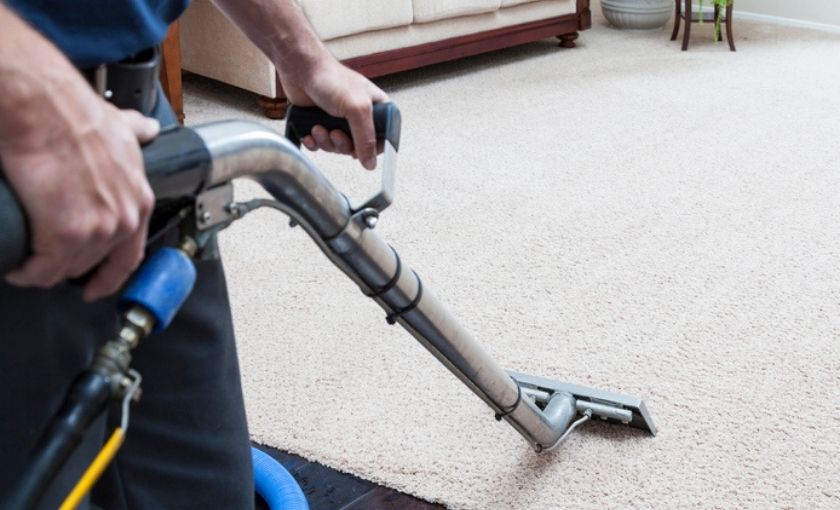
While rugs naturally soil faster, homeowners can extend cleanliness between professional cleanings with simple habits.
Practical steps include:
- Removing shoes indoors
- Using entry mats at doors
- Vacuuming gently but consistently
- Rotating rugs every few months
- Cleaning spills immediately
- Using high-quality rug pads
These habits reduce concentrated wear and help distribute traffic more evenly.
Combining daily maintenance with periodic professional cleaning creates the best long-term results.
Why Understanding Rug Care Matters
Area rugs often serve as focal points within a home, both visually and functionally. When properly maintained, they provide comfort, insulation, and style for many years.
However, misunderstanding how rugs collect dirt can lead to premature wear, persistent odors, and unnecessary replacement costs.
Recognizing that rugs require different care than carpeting allows homeowners to make informed decisions about cleaning frequency and methods. Professional eco-friendly cleaning ensures rugs remain both beautiful and hygienic without compromising safety.
Outgoing Thoughts
Area rugs get dirty faster than carpets because of how and where they are used. Their placement in high-traffic areas, exposure on all sides, softer fiber construction, and frequent interaction with pets and daily activity all contribute to accelerated dirt accumulation.
While regular vacuuming helps maintain appearance, it cannot remove deeply embedded soil, allergens, and residues that gradually affect both rug condition and indoor air quality.
Professional eco-friendly cleaning provides a balanced solution by removing contaminants safely while preserving delicate materials. For West Hartford homeowners, understanding these differences makes it easier to maintain cleaner homes, healthier indoor environments, and longer-lasting rugs.
Thoughtful maintenance combined with expert care ensures area rugs continue to enhance comfort and style without becoming hidden sources of dirt or allergens.
FAQs
Q1. Why do area rugs look dirty faster than carpet?
Ans. Area rugs are usually placed in high-traffic areas and trap concentrated dirt, causing buildup to appear sooner than on evenly used carpeting.
Q2. How often should area rugs be cleaned compared to carpets?
Ans. Area rugs often need professional cleaning every 12 months or sooner, while carpets may require cleaning every 12 to 18 months depending on use.
Q3. Does vacuuming prevent rugs from getting dirty quickly?
Ans. Vacuuming helps remove surface debris but cannot eliminate deeply embedded soil or oils trapped in rug fibers.
Q4. Are natural fiber rugs harder to keep clean?
Ans. Natural fibers like wool and cotton can absorb dirt and moisture more easily, requiring specialized cleaning methods.
Q5. Do pets make area rugs dirtier faster?
Ans. Yes. Pets shed hair, track dirt indoors, and deposit oils that accumulate quickly in rug fibers.
Q6. Can dirty rugs affect indoor air quality?
Ans. Yes. Rugs can release trapped dust and allergens into the air when disturbed by daily activity.
Q7. Is DIY rug cleaning effective?
Ans. DIY methods often clean only the surface and may leave residue or excess moisture that attracts more dirt.
Q8. Why do rugs develop odors faster than carpets?
Ans. Localized use, trapped moisture, and pet activity can cause odor-causing bacteria to build up more quickly.
Q9. Are eco-friendly cleaning solutions strong enough for rugs?
Ans. Modern eco-friendly solutions effectively remove dirt and stains while remaining safe for families and pets.
Q10. When should I call a professional rug cleaner?
Ans. If your rug shows dullness, odors, stains, or increased allergy symptoms, professional cleaning is typically the best solution.