
Can Dirty Carpets Affect Your Sleep Quality? Here’s What Research Says
Sleep is essential for physical recovery, emotional balance, cognitive performance, and long-term health. Yet millions of people struggle with insomnia, restless sleep, and nighttime fatigue without understanding the hidden causes behind it. While factors like screen time, stress, and caffeine consumption are well-known contributors, one commonly overlooked factor might be right under your feet—your carpet.
Carpets don’t just impact the look and feel of a home; they play a direct role in indoor air quality and the health of the respiratory system. Recent studies have suggested a strong link between dirty carpets and poor sleep quality, especially for allergy sufferers, children, and people with respiratory issues. So if you often wake up tired despite getting 7–8 hours of sleep, your carpet might be part of the reason.
How Dirty Carpets Influence the Quality of Your Sleep
Carpets act like giant filters. They trap dust, allergens, bacteria, mold spores, chemical residues, pet hair, pollen, and even microscopic insects like dust mites. While these contaminants remain embedded during the day, they become a major problem at night when you’re lying still and breathing deeply.
Below are the major ways dirty carpets affect your sleep:
1. Allergens and Dust Mites Trigger Nighttime Discomfort
Dust mites feed on dead skin cells and thrive in warm environments—especially inside carpets. Their waste contains proteins that trigger allergic reactions such as:
- Itchy throat
- Sneezing
- Blocked or runny nose
- Coughing
- Watery eyes
Even mild reactions can repeatedly interrupt your sleep cycle, preventing deep, restorative sleep.
2. Poor Indoor Air Quality Leads to Breathing Issues
Walking on a dirty carpet sends microscopic particles into the air. As they circulate, the body has to work harder to filter the contaminants, and the problem becomes even more noticeable at night. Full-night exposure can lead to:
- Dry mouth
- Shortness of breath
- Irritation in the nasal passages
- Sleep apnea flare-ups
Researchers have found that people consistently exposed to polluted indoor air take longer to fall asleep and experience reduced REM sleep, the most restorative phase of sleep.
3. Mold and Mildew Create Toxic Sleep Environments
Moisture from spills, humidity, or pet accidents can cause mold and mildew to grow beneath carpets. Even if it’s not visible on the surface, the spores spread through the air and trigger nighttime respiratory distress. People living in mold-affected homes often report:
- Waking up feeling congested
- Morning headaches
- Sore throat
- Mental fog after sleep
A mold-affected carpet can make you feel tired even after a full night’s rest.
4. Carpets Retain Odors That Disrupt Relaxation
Science shows that the human brain associates certain smells with comfort and others with threat or disgust. Strong or unpleasant odors trapped in carpets—from spills, sweat, pets, or bacteria—can increase cortisol (stress hormone) and prevent the body from entering a relaxed, sleep-ready state.
You might not consciously notice the smell, but your nervous system does.
5. Bacteria and Germs Can Impact Immunity and Nighttime Recovery
Sleep is when the immune system repairs and detoxifies the body. If you’re inhaling bacteria-contaminated air from the carpet all night, the immune system becomes stressed rather than rested. Symptoms of low-grade bacterial exposure include:
- Persistent fatigue
- Brain fog
- Morning exhaustion
- Difficulty staying asleep
If you feel like you sleep but never feel refreshed, your bedroom hygiene—including carpet cleanliness—may be the missing link.
When Was Your Carpet Last Cleaned? Signs It May Be Affecting Your Sleep
Research suggests that most homeowners underestimate the amount of buildup inside carpets. If any of the following apply, your sleep may already be affected:
- Your nose feels blocked mainly at night or in the morning
- You wake up coughing or clearing your throat
- You notice an odor in the bedroom that returns quickly after air fresheners
- You sleep better in hotel rooms or other homes
- Your carpet hasn’t been professionally deep-cleaned in over 6–12 months
- You have pets or children who spend a lot of time on the carpet
If you checked even one of these, your carpet may be quietly sabotaging your sleep.
How to Improve Sleep Quality Through Better Carpet Hygiene
Improving sleep doesn’t always require supplements or lifestyle overhauls—sometimes improving your sleep environment is the key.
Here are the most effective steps:
✔ Vacuum 2–3 times per week
Use a vacuum with a HEPA filter to reduce dust and particulates.
✔ Clean spills immediately
Moisture buildup is one of the fastest causes of mold and bacteria accumulation.
✔ Keep windows open when possible
Airflow assists in reducing circulating particles.
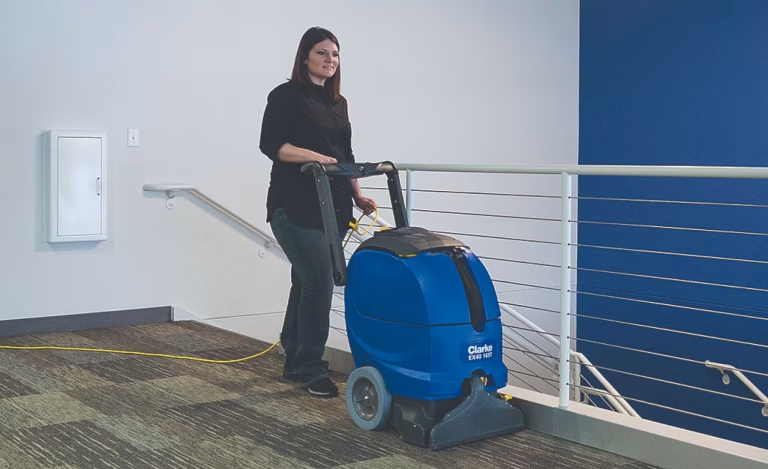
✔ Deep-clean carpets every 6–12 months
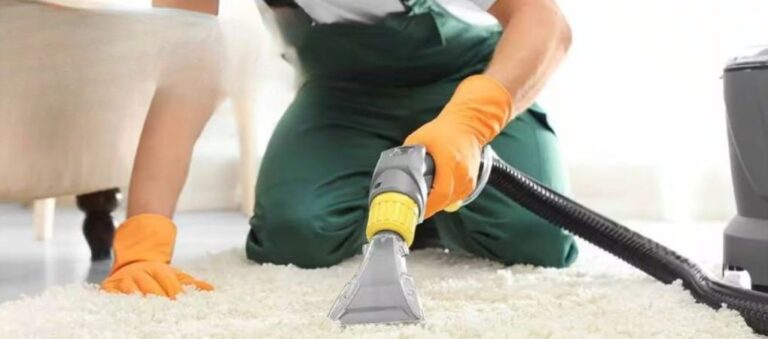
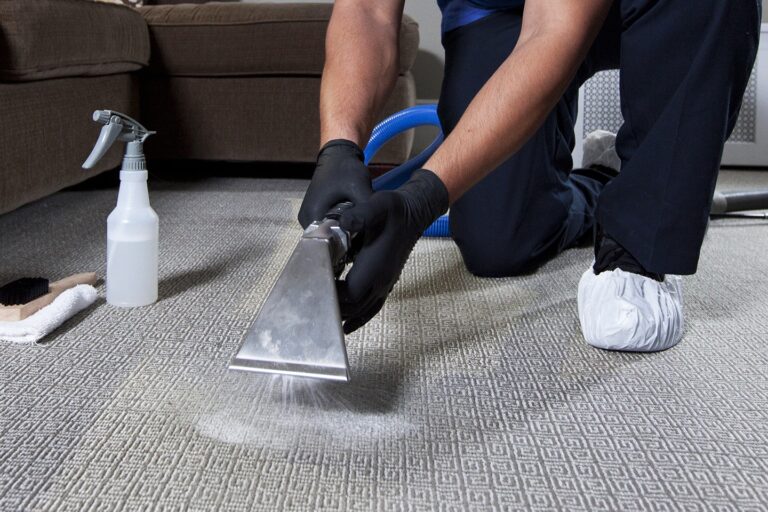
A professional hot-water extraction cleaning can remove:
- Dust mites
- Mold spores
- Pet dander
- Germs
- Odor-causing bacteria
- Allergens embedded deep within fibers
Many homeowners in Hartford, CT have reported better sleep and easier breathing after professional cleaning.
If you feel your bedroom air is heavy or your sleep has been declining without explanation, scheduling a deep cleaning with specialists like Fresh Fiber Clean can dramatically improve indoor air quality and comfort. Their modern cleaning technology effectively restores carpets, making homes healthier — especially for children and allergy sufferers.
The Bottom Line
Dirty carpets don’t just affect the way your home looks — they can directly impact your sleep. Allergens, dust mites, mold, bacteria, and chemical pollutants stored in carpet fibers circulate through the bedroom air all night, making it harder to fall asleep and stay asleep.
Maintaining a clean, fresh carpet is one of the easiest and most natural ways to improve sleep quality. Whether you struggle with nighttime allergies, morning exhaustion, or chronic fatigue, your carpet may be playing a bigger role than you realize.
10 FAQs About Carpets and Sleep Quality
Q1. Can dirty carpets really cause poor sleep?
Ans.Yes. The pollutants trapped inside carpets can irritate the respiratory system, trigger allergies, and disrupt deep sleep.
Q2. Does vacuuming help improve sleep quality?
Ans. Vacuuming helps reduce surface dust but cannot eliminate allergens deeply embedded in the fibers.
Q3. Why do I wake up congested but feel fine during the day?
Ans. Nighttime exposure to allergens in carpets while lying still makes symptoms more noticeable.
Q4. How often should I deep-clean my carpet for better sleep?
Ans.
Every 6–12 months, depending on foot traffic, pets, and sensitivity levels.
Q5. Can children be more affected by dirty carpets while sleeping?
Ans. Yes. Children breathe faster and are more sensitive to allergens, making them more vulnerable.
Q6. Can dirty carpets worsen asthma or sleep apnea?
Ans. Absolutely. Poor air quality can trigger asthma flare-ups and worsen sleep apnea episodes.
Q7. Does a bedroom carpet smell affect sleep even if it’s not strong?
Ans. Yes. Even mild odors can raise stress hormones and prevent relaxation.
Q8. Will professional carpet cleaning remove dust mites?
Ans. Yes, high-temperature steam cleaning eliminates dust mites effectively.
Q9. Can dirty carpets cause headaches in the morning?
Ans. Yes. Mold and bacteria exposure can lead to morning headaches and fatigue.
Q10. Will replacing carpets improve sleep?
Ans. Replacing may help, but professional deep cleaning is usually enough unless the carpet is heavily damaged or mold-infested.