
The Truth About Carpet Bacteria and How It Impacts Indoor Air Quality
Carpets add warmth, comfort, and style to any home. But beneath the soft fibers lies something far less appealing — millions of bacteria, allergens, and microscopic organisms that can silently affect your indoor air quality. Even if your carpet looks clean, it could be harboring invisible contaminants that contribute to poor air circulation and health issues.
Understanding how bacteria accumulate in carpets and the impact they have on your home’s air quality is essential to maintaining a healthy living space. Let’s uncover the truth about what’s really living in your carpet and how regular deep cleaning — especially by professionals like Fresh Fiber Clean in Hartford, CT — can restore freshness and purity to your indoor environment.
The Hidden World Beneath Your Carpet Fibers
Your carpet acts like a giant filter, trapping dust, pollen, pet dander, and bacteria that enter your home. Over time, these particles build up deep within the fibers, creating a breeding ground for microorganisms.
Some of the most common types of bacteria found in carpets include:
- E. coli: Often brought in on shoes or by pets, it can cause intestinal infections.
- Salmonella: Typically carried indoors from contaminated surfaces or food.
- Campylobacter: Common in damp areas, this bacteria can cause stomach issues.
- Staphylococcus: Found in high-traffic zones, it can trigger skin infections.
These harmful microbes thrive in warm, moist environments — and carpets, especially in humid homes or during Connecticut’s damp seasons, provide the perfect habitat.
How Carpet Bacteria Impacts Indoor Air Quality
1. Airborne Allergens and Respiratory Problems
Every step you take on a dirty carpet can release tiny particles and bacteria into the air. These microscopic pollutants circulate through your HVAC system, lowering indoor air quality. Individuals with asthma, allergies, or other respiratory sensitivities may experience increased sneezing, coughing, or congestion.
2. Mold and Mildew Growth
Moisture trapped in carpet fibers leads to mold spores and mildew, which release musty odors and toxins into the air. Long-term exposure to mold can cause respiratory distress and other health complications.
3. Volatile Organic Compounds (VOCs)
Bacteria break down organic matter like food crumbs and skin flakes, producing unpleasant gases and VOCs. This process contributes to stale, stuffy indoor air — often mistaken for “old carpet smell.”
4. Cross-Contamination Risks
If your carpet isn’t properly cleaned, bacteria can spread to nearby furniture, curtains, or even food preparation areas. This cross-contamination can compromise your home’s overall hygiene.
Common Sources of Carpet Bacteria
- Shoes: A single pair can track in over 400,000 bacteria from streets, sidewalks, and public places.
- Pets: Animals shed fur, saliva, and waste residues that feed bacterial colonies.
- Spills and Food Droppings: Even tiny food crumbs provide nutrients for bacteria.
- Humidity and Water Leaks: Damp carpets accelerate microbial growth.
- Lack of Proper Cleaning: Vacuuming alone removes surface dirt, not embedded bacteria.
Why Vacuuming Isn’t Enough
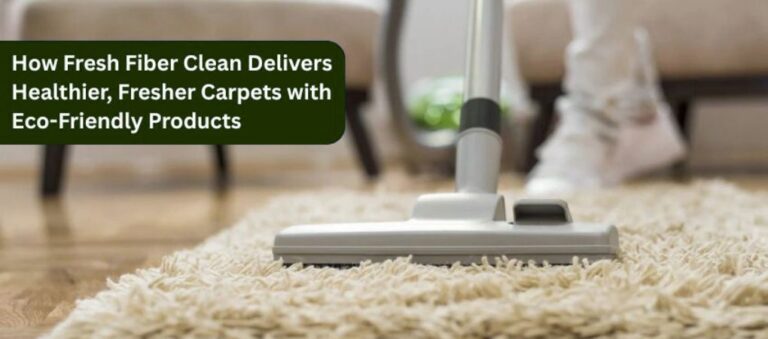
Regular vacuuming helps maintain your carpet’s appearance but does not eliminate bacteria and allergens deep within the fibers. Most home vacuums lack the suction power or sanitizing capability to remove microscopic contaminants.
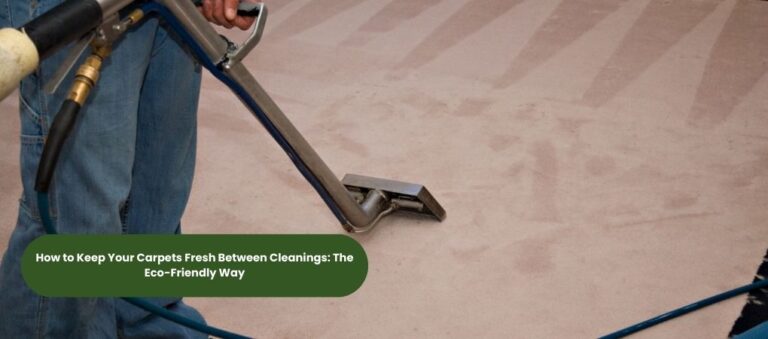
Only professional deep cleaning, which combines steam extraction and eco-safe disinfectants, can kill bacteria, remove mold spores, and extract trapped pollutants from the base of the carpet.
Companies like Fresh Fiber Clean in Hartford, CT use industrial-grade cleaning technology that penetrates deep into the carpet pile — restoring cleanliness and improving your indoor air quality significantly.
Health Issues Linked to Carpet Bacteria
Long-term exposure to bacteria-infested carpets can lead to several health issues, including:
- Respiratory infections
- Allergic reactions and sinus problems
- Asthma flare-ups
- Skin irritations or rashes
- Weakened immune response in children or elderly individuals
Children and pets are particularly vulnerable since they spend more time on or near the floor. Maintaining hygienic carpets isn’t just about appearances — it’s about protecting your family’s well-being.
How to Minimize Carpet Bacteria at Home
1. Remove Shoes Indoors
Encourage family members and guests to leave shoes at the door to prevent bacteria from being tracked inside.
2. Use High-Efficiency Vacuums
Vacuum carpets at least twice a week using HEPA-filter vacuums to trap dust and bacteria effectively.
3. Control Humidity Levels
Keep indoor humidity below 50% using a dehumidifier to prevent mold and mildew growth.
4. Spot Clean Immediately
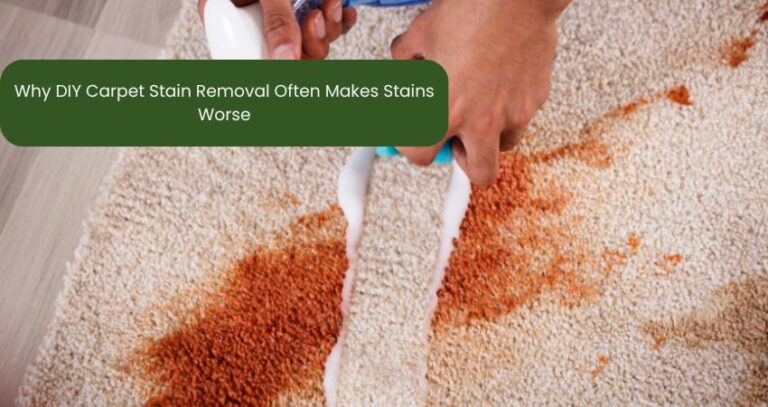
Clean spills and pet accidents promptly to prevent moisture absorption and bacterial spread.
5. Schedule Professional Deep Cleaning
For optimal results, have your carpets professionally deep cleaned every 6–12 months. Professional cleaners like Fresh Fiber Clean use advanced steam extraction techniques that not only remove dirt but also sanitize carpets to eliminate harmful microorganisms.
The Long-Term Benefits of Professional Carpet Cleaning
Hiring a trusted carpet cleaning company offers benefits beyond cleanliness:
- Improved indoor air quality by removing allergens and bacteria.
- Extended carpet lifespan through proper fiber care.
- Enhanced freshness and odor elimination.
- Healthier living conditions for families and pets.
In areas like Hartford, CT, where seasonal humidity can trap pollutants indoors, regular professional cleaning ensures your carpet remains hygienic year-round.
Final Thoughts
While carpets make your home cozy and inviting, they can also hide a world of unseen bacteria and pollutants that silently affect your health and comfort. Understanding how these microorganisms impact your indoor air quality is the first step toward a cleaner, safer living environment.
By adopting good maintenance habits and scheduling professional deep cleaning services from Fresh Fiber Clean in Hartford, CT, you can enjoy a home that not only looks fresh — but truly feels and smells clean.