Why Allergies Can Get Worse Because of Dirty Rugs
Area rugs are common in homes, providing comfort, warmth, and style. However, dirty rugs can be a hidden source of allergens, triggering or worsening symptoms for allergy sufferers. In West Hartford, Connecticut, where homes often have busy households with pets and children, understanding how rugs contribute to allergies is essential for maintaining healthy indoor air.
This article explores why dirty rugs worsen allergies and how eco-friendly cleaning methods can protect your family.
How Rugs Trap Allergens
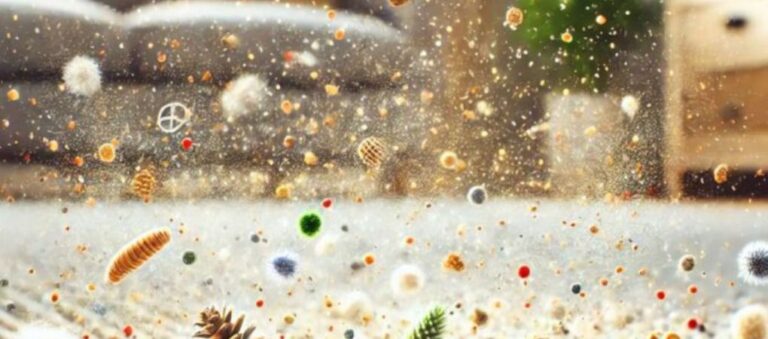
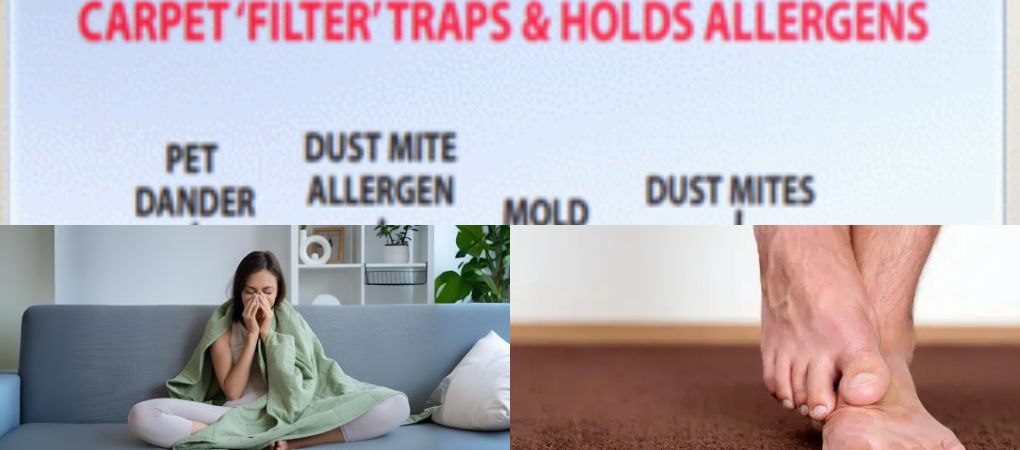
Rugs naturally act as filters, capturing particles from both indoors and outdoors:
- Dust mites: Microscopic creatures feed on skin flakes and thrive in the warmth of rug fibers.
- Pet dander: Hair and skin flakes from dogs, cats, or other pets embed in fibers.
- Pollen: Tracked in on shoes or from open windows, pollen settles deep into rugs.
- Mold spores: Moisture trapped in fibers or under rugs encourages mold growth.
While trapping particles may prevent them from circulating immediately, disturbed fibers can release these allergens back into the air, affecting those sensitive to them.
Why Allergies Worsen Over Time
Neglected rugs accumulate allergens gradually:
- Dust mites and dander multiply over time, increasing allergen load.
- Moisture and spills allow mold and mildew to grow, releasing spores into indoor air.
- Particles released from worn or high-traffic rugs can aggravate asthma, sneezing, watery eyes, or sinus issues.
Even regular vacuuming may not fully remove deeply embedded allergens, leaving a persistent trigger in the home.
Symptoms Linked to Rug Allergens
Dirty rugs can exacerbate various allergy symptoms, particularly in children, pets, or sensitive adults:
- Nasal congestion, sneezing, or runny nose
- Coughing or wheezing
- Itchy, watery eyes
- Skin irritation from contact with allergens
- Increased asthma attacks or respiratory discomfort
Understanding these links highlights the importance of proper rug care in reducing allergy triggers.
Why Vacuuming Alone Isn’t Enough
Many homeowners rely solely on vacuuming, but it has limitations:
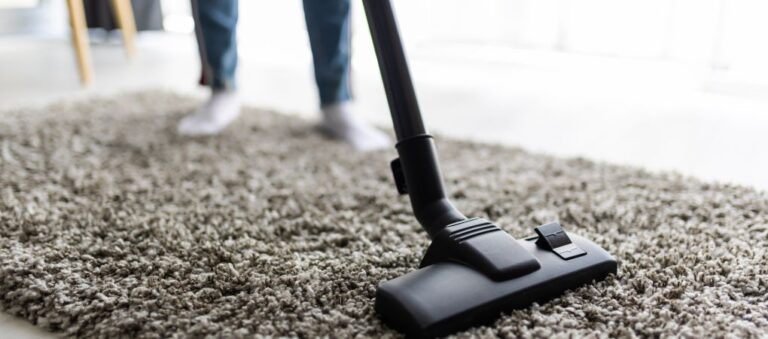
- Standard vacuums often leave dust, dander, and pollen deep within fibers.
- Dust mites and mold spores can survive surface-level cleaning.
- High-pile or textured rugs trap particles that are difficult to remove without professional or eco-friendly methods.
Combining vacuuming with deep cleaning is necessary to truly reduce allergens and protect indoor air quality.
Eco-Friendly Cleaning Solutions for Allergy Relief
Eco-conscious cleaning methods remove allergens safely without exposing family members to harsh chemicals:
- HEPA-filter vacuuming: Captures fine dust, pollen, and dander efficiently.
- Biodegradable spot cleaners: Safely treat spills and prevent microbial growth.
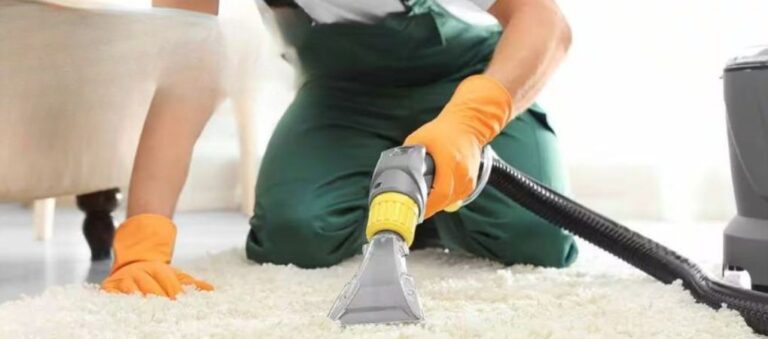
- Professional deep cleaning: Low-moisture or hot water extraction removes embedded allergens and bacteria.
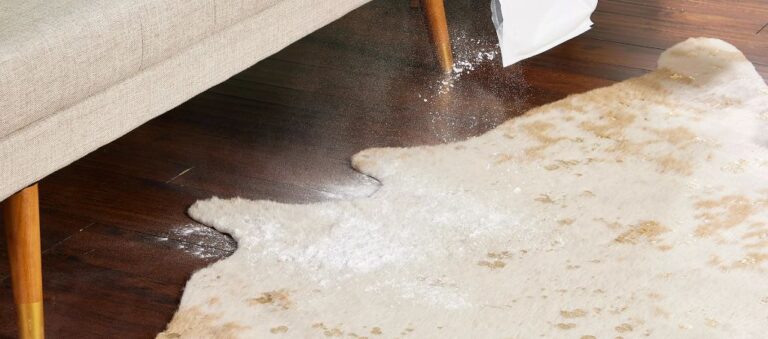
- Baking soda treatments: Neutralizes odors and lifts dust particles before vacuuming.
These methods are safe for children, pets, and sensitive family members while improving indoor air quality.
Preventative Measures to Reduce Allergens
Daily habits can limit allergen accumulation in rugs:
- Remove shoes at the door to reduce tracked-in pollen and dirt.
- Groom pets regularly to minimize dander.
- Rotate rugs periodically to prevent uneven fiber compression and dust buildup.
- Use rug pads to elevate rugs, improve airflow, and reduce moisture retention.
- Address spills promptly to prevent mold and bacterial growth.
These simple practices complement professional cleaning to reduce allergy risks.
Seasonal Considerations for Allergies
Allergen accumulation varies with seasonal conditions:
- Spring: Pollen levels rise, making frequent cleaning essential.
- Summer: Dust and pet dander increase indoors with open windows and more activity.
- Fall: Leaves, soil, and humidity contribute to fiber debris.
- Winter: Snow, salt, and indoor heating can dry fibers, releasing trapped dust.
Adjusting cleaning routines seasonally ensures rugs remain as allergen-free as possible.
Partnering with Local Eco-Friendly Professionals
Professional rug cleaning ensures allergens are removed safely and effectively:
- Experts reach deeply embedded dirt, dust mites, and mold spores that vacuuming cannot.
- Biodegradable, non-toxic solutions protect indoor air and family health.
- Fresh Fiber Clean provides West Hartford homeowners with reliable eco-friendly cleaning, combining modern technology with safe methods for lasting results.
Regular professional cleaning complements daily maintenance and ensures a healthier home environment.
Outgoing Thoughts
Dirty rugs are a hidden source of allergens that can worsen symptoms for sensitive family members. Dust mites, pet dander, pollen, and mold accumulate over time, and vacuuming alone often cannot remove them. Eco-friendly cleaning methods, combined with preventative measures like prompt spill treatment, rug rotation, and seasonal maintenance, reduce allergen load and improve indoor air quality. For West Hartford households, partnering with a professional eco-conscious rug cleaner ensures safe, thorough maintenance that protects both rugs and family health.
FAQs
Q1. How do rugs worsen allergies?
Ans. Rugs trap dust, pollen, pet dander, and mold, which can be released into the air and trigger allergic reactions.
Q2. Can vacuuming remove all allergens?
Ans. No, vacuuming mainly removes surface dust; embedded allergens often remain and require deeper cleaning.
Q3. Are high-pile rugs worse for allergies?
Ans. Yes, they trap more dust, dander, and pollen than low-pile or flat-weave rugs.
Q4. How do pets contribute to rug allergens?
Ans. Pets shed hair and skin flakes that embed in fibers, increasing allergen levels indoors.
Q5. Can mold in rugs affect allergies?
Ans. Yes, mold spores released from damp rugs can trigger respiratory issues, asthma, and sinus problems.
Q6. What eco-friendly cleaning methods help reduce allergens?
Ans. HEPA vacuuming, biodegradable spot cleaning, baking soda treatments, and professional deep cleaning remove allergens safely.
Q7. How often should rugs be professionally cleaned for allergy prevention?
Ans. Typically every 12–18 months, or more frequently for high-traffic areas and homes with pets or allergy sufferers.
Q8. Does rug rotation help with allergies?
Ans. Yes, rotating rugs reduces uneven wear, prevents dust buildup in high-traffic areas, and exposes fibers for more effective cleaning.
Q9. How does seasonal weather affect allergen accumulation?
Ans. Pollen, dust, mud, and indoor heating or humidity contribute to increased allergen accumulation throughout the year.
Q10. Why choose an eco-friendly rug cleaning service in West Hartford?
Ans. Eco-friendly professionals remove allergens and embedded dirt safely while protecting fibers, indoor air quality, and family health.