
Why Area Rugs Trap Dust and Allergens
Area rugs add warmth, style, and comfort to homes, but they can also collect dust, pollen, pet dander, and other allergens. For busy households in West Hartford, Connecticut, this makes understanding how rugs trap particles critical for maintaining a healthier indoor environment. Knowing why rugs act as dust and allergen magnets helps homeowners adopt effective cleaning strategies that are safe for children, pets, and the environment.
This guide explores the science behind dust and allergen accumulation in rugs and offers practical, eco-friendly methods to keep them clean between professional cleanings.
How Rugs Capture Particles
Rugs naturally act like filters in a home environment:
- Fiber structure: The loops and pile of rugs trap tiny particles carried on shoes, clothing, and air currents.
- Static electricity: Some synthetic fibers generate static, attracting dust, hair, and pollen.
- Moisture absorption: Rugs can retain tiny amounts of water from spills, pets, or humidity, which helps dust settle and encourages microbial growth.
These factors combine to make area rugs effective at capturing dirt—but they also make regular maintenance essential to prevent allergens from becoming airborne.
Common Sources of Allergens in Rugs
Several everyday sources contribute to allergen accumulation:
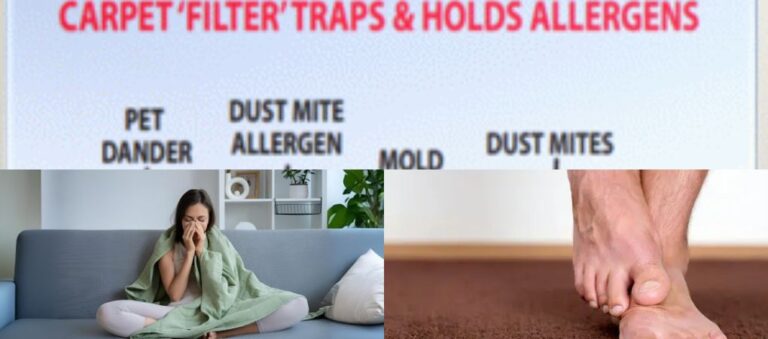
- Dust mites: These microscopic insects thrive in the warmth and humidity of rugs, feeding on dead skin cells.
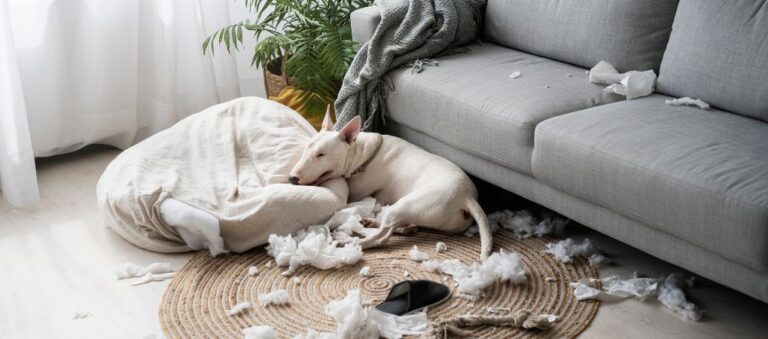
- Pet dander: Hair and skin flakes from dogs, cats, and other pets embed in fibers and trigger allergic reactions.
- Pollen and outdoor debris: Shoes, open windows, and air circulation bring pollen, dirt, and other particles inside.
- Mold and mildew spores: Moisture trapped under rugs or in fibers can encourage mold growth, releasing spores into the air.
Understanding these sources highlights the importance of consistent cleaning practices in maintaining healthy indoor air quality.
Why Rugs Hold Particles Longer Than Hard Floors
Unlike hard surfaces, rugs provide a porous environment where dust and allergens can settle and persist:
- The soft fibers prevent particles from easily moving, meaning debris accumulates over time.
- Vacuuming alone may only remove surface dust; deeper particles can remain embedded.
- Moisture from spills or pets allows dust to bind with fibers, making it harder to dislodge.
This explains why rugs can become allergen hotspots if not maintained properly, even in clean households.
Effects on Indoor Air Quality
Unclean rugs can release trapped particles back into the air during foot traffic, vacuuming, or pet activity:
- Airborne dust and allergens can exacerbate asthma, allergies, and other respiratory issues.
- Odors from trapped moisture or pet accidents can reduce overall indoor air quality.
- Accumulated particles can settle on furniture, electronics, and surfaces, spreading allergens throughout the home.
Regular and eco-conscious cleaning reduces these risks and promotes a healthier indoor environment.
Eco-Friendly Cleaning Practices for Dust and Allergen Control
Maintaining rugs safely for your family and pets requires non-toxic cleaning solutions:
- Vacuuming with HEPA filters: Captures fine dust and allergens rather than redistributing them.
- Spot cleaning with biodegradable solutions: Use safe, plant-based cleaners for spills and stains.
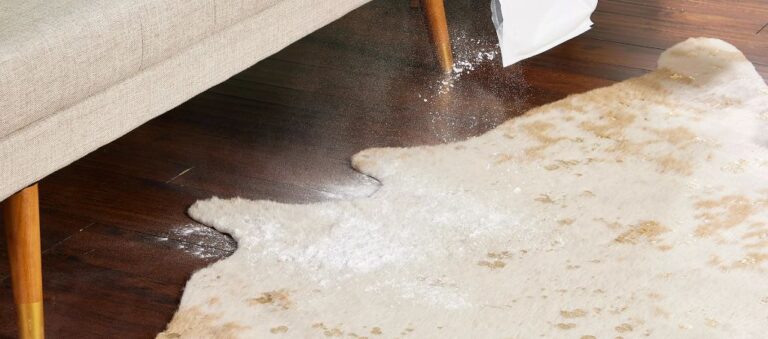
- Baking soda treatment: Sprinkle on rugs to neutralize odors and lift dust particles before vacuuming.
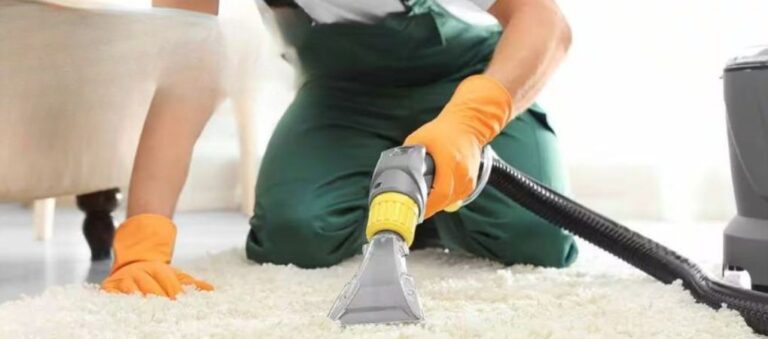
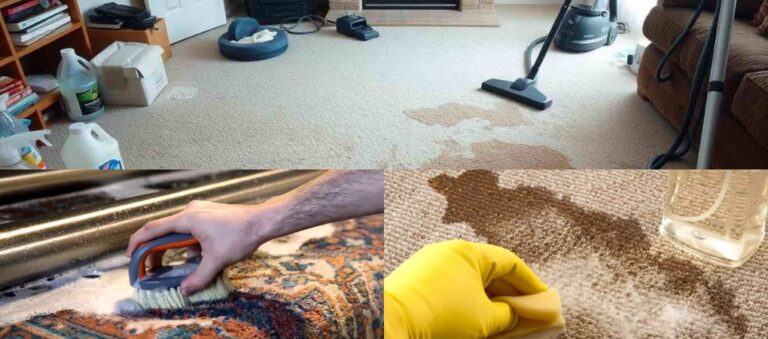
- Professional deep cleaning: Low-moisture or hot water extraction methods remove embedded dirt and allergens without harsh chemicals.
These strategies prevent particles from remaining trapped in fibers and reduce the overall allergen load in your home.
Preventative Steps to Minimize Allergen Build-Up
Proactive measures help keep rugs cleaner for longer:
- Remove shoes at the door: Reduces outdoor dirt and pollen entering the home.
- Rotate rugs periodically: Prevents uneven wear and dust accumulation in high-traffic areas.
- Use rug pads: Elevates rugs slightly, allowing airflow and reducing moisture retention.
- Groom pets regularly: Minimizes hair and dander that embed in fibers.
Small habits complement professional cleaning to maintain a safe and allergen-controlled environment.
Seasonal Maintenance Recommendations
Incorporating seasonal routines ensures rugs remain clean and reduce allergen exposure:
- Spring: Deep clean after winter to remove accumulated dust and pollen.
- Summer: Air out rugs to prevent moisture buildup and odors.
- Fall: Vacuum thoroughly to prepare for increased indoor activity.
- Winter: Address snow, salt, and moisture to prevent fiber damage and mold growth.
Seasonal attention supports both rug longevity and consistent indoor air quality.
Partnering with Local Eco-Friendly Professionals
Professional cleaning is essential for maintaining rugs as effective dust and allergen traps without creating health risks:
- Modern equipment reaches deep into fibers to remove embedded allergens.
- Biodegradable, non-toxic solutions protect children, pets, and the environment.
- Experts can advise on rug care strategies specific to your household needs.
Fresh Fiber Clean provides West Hartford homeowners with safe, reliable, and eco-conscious rug care that balances aesthetics, hygiene, and indoor air quality.
Outgoing Thoughts
Area rugs naturally trap dust, allergens, and moisture due to their fiber structure, static properties, and porous nature. Without regular maintenance, these particles can compromise indoor air quality, cause odors, and trigger allergies or asthma. Implementing consistent vacuuming, eco-friendly spot cleaning, preventive measures, and seasonal routines helps maintain healthier rugs and a safer home environment. Partnering with professional, eco-conscious rug cleaners in West Hartford ensures deeper maintenance, supporting both rug longevity and family well-being.
FAQs
Q1. Why do rugs trap more dust than hard floors?
Ans. Rugs’ porous fibers and pile create an environment where particles settle and remain embedded, unlike smooth hard surfaces.
Q2. Are all rug fibers equally likely to trap allergens?
Ans. Synthetic fibers can generate static, attracting more dust, while natural fibers like wool hold particles but breathe better and resist moisture.
Q3. How often should I vacuum to reduce allergens?
Ans. High-traffic rugs should be vacuumed two to three times per week, ideally with a HEPA-filter vacuum.
Q4. Can pets increase allergen buildup in rugs?
Ans. Yes, pet hair, dander, and saliva contribute to dust and allergens that embed in fibers.
Q5. Do moisture and spills affect allergen accumulation?
Ans. Yes, trapped moisture promotes dust binding and mold growth, increasing allergens and odors.
Q6. Are chemical cleaners safe for allergen removal?
Ans. Harsh chemical cleaners can irritate respiratory systems. Eco-friendly, non-toxic cleaners are safer and effective.
Q7. How does professional cleaning improve allergen control?
Ans. Professional methods reach deep into fibers, removing embedded dust, dander, and dust mites that home cleaning may miss.
Q8. Can rotating rugs reduce dust and allergen buildup?
Ans. Yes, rotation evens out wear and prevents dust accumulation in high-traffic areas.
Q9. Is baking soda effective for dust and odor management?
Ans. Yes, sprinkling baking soda lifts dust and neutralizes odors when vacuumed, safely reducing allergens.
Q10. Why choose eco-friendly rug cleaning in West Hartford?
Ans. Eco-friendly professionals use non-toxic solutions and advanced equipment to maintain rug integrity, remove allergens, and protect family health.