The Most Common Mistakes People Make When Cleaning Rugs
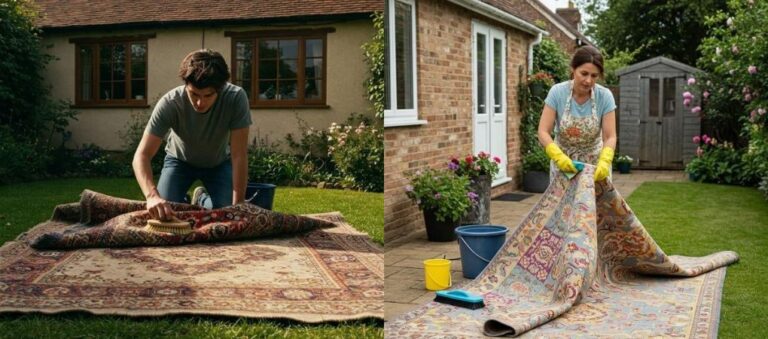
Area rugs are investments that enhance comfort and style in homes, but improper cleaning practices can cause damage, shorten their lifespan, and even affect indoor air quality. Homeowners in West Hartford, Connecticut, often make mistakes during DIY cleaning that could have been avoided with proper guidance and eco-friendly solutions.
This guide highlights the most common rug cleaning mistakes, explains why they matter, and offers practical, safe strategies to keep rugs fresh, healthy, and long-lasting.
Using Harsh Chemical Cleaners
Many people reach for store-bought cleaners without considering their impact:
- Harsh chemicals can weaken fibers, cause discoloration, or damage natural rugs like wool or jute.
- Strong chemicals may leave residues that irritate skin, eyes, or respiratory systems, especially in homes with children or pets.
- Overuse of bleach or ammonia-based solutions can permanently ruin dyes.
Eco-friendly, biodegradable cleaners are a safer alternative, maintaining rug integrity while protecting family health.
Excessive Water Use
Over-wetting rugs is a frequent problem:
- Using too much water during DIY cleaning can saturate the fibers and backing.
- Trapped moisture encourages mold, mildew, and odors.
- Prolonged drying times increase the risk of damage and bacterial growth.
Low-moisture cleaning methods or professional hot water extraction with proper drying are safer options for maintaining rug longevity.
Ignoring Manufacturer Instructions
Rugs come with specific care requirements based on fiber type, construction, and finish:
- Synthetic rugs may tolerate different cleaning methods than natural fiber rugs.
- Wool, silk, or antique rugs require gentle solutions and careful handling.
- Ignoring manufacturer guidance can lead to shrinkage, fraying, or color bleeding.
Always check care labels and consult professional advice when in doubt.
Scrubbing Too Vigorously
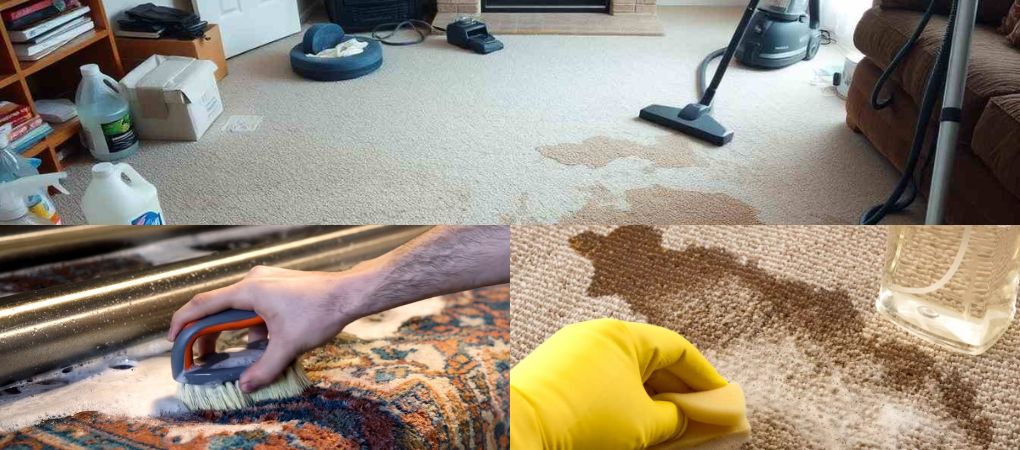
Scrubbing stains with excessive force is a common mistake:
- Vigorous scrubbing can damage fibers, unravel threads, or spread the stain further.
- Many household spills are best blotted gently rather than rubbed.
- Over-aggressive cleaning accelerates wear in high-traffic areas.
Gentle blotting with a safe, non-toxic cleaner preserves fiber integrity and prevents permanent damage.
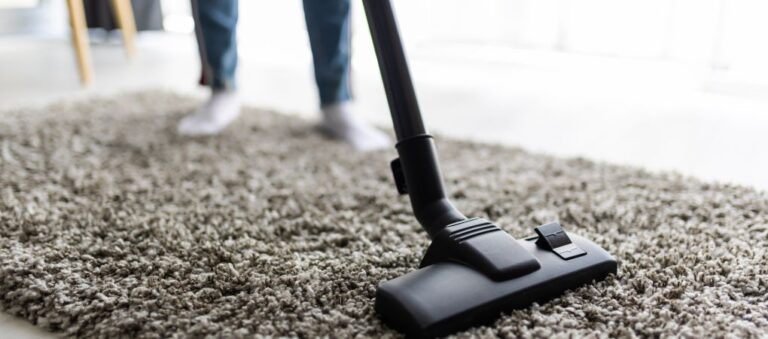
Using the Wrong Vacuum or Technique
Vacuuming is essential, but improper techniques can harm rugs:
- Beater bars can pull on delicate fibers or cause pilling.
- Vacuuming only one direction leaves dirt trapped in loops.
- Not using a HEPA filter allows allergens to circulate in the home.
Vacuum slowly in multiple directions and consider turning off the beater bar for delicate or antique rugs to maintain appearance and hygiene.
Delaying Spill and Stain Treatment
Many homeowners wait too long to address spills:
- Stains set quickly, making them much harder to remove.
- Lingering spills promote odors, mold growth, and fiber deterioration.
- Prompt treatment with eco-friendly solutions prevents permanent damage and keeps rugs fresh.
Immediate action is critical for maintaining both appearance and safety in busy households.
Overlooking Rug Rotation and Padding
Rugs in high-traffic areas often show uneven wear if left in place:
- Constant foot traffic compresses fibers, leading to worn spots.
- Rugs without pads are more susceptible to slipping, fiber stress, and dirt accumulation.
- Rotating rugs regularly evens wear and extends lifespan.
Rug pads and rotation reduce the need for aggressive cleaning and keep rugs looking uniform over time.
Neglecting Seasonal Maintenance
Seasonal weather affects rugs more than many homeowners realize:
- Winter snow and salt, spring rain, summer pollen, and fall debris all contribute to dirt buildup and fiber stress.
- Failure to adjust cleaning routines by season can accelerate wear and compromise indoor air quality.
- Regular seasonal deep cleaning and preventive measures help maintain both aesthetics and health.
Addressing seasonal challenges proactively reduces overall maintenance needs.
Over-Relying on DIY Methods
While DIY cleaning seems convenient, it often falls short:
- Home methods may not remove embedded dirt, allergens, or dust mites effectively.
- Inexperienced use of cleaning agents can cause more harm than good.
- Professional eco-friendly services provide modern equipment and techniques that preserve rugs while eliminating hidden contaminants.
Combining at-home care with professional cleaning ensures optimal results for longevity and safety.
Not Considering Indoor Air Quality
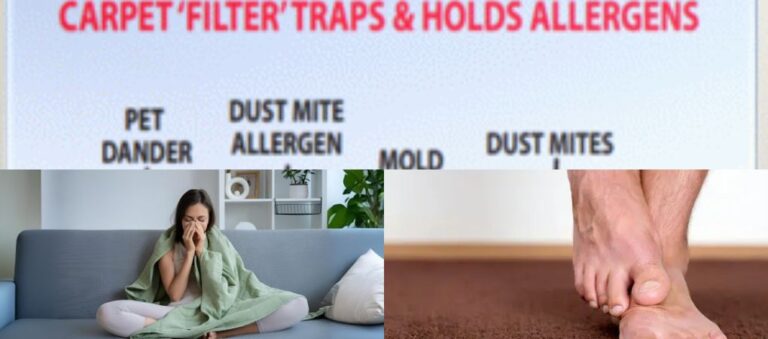
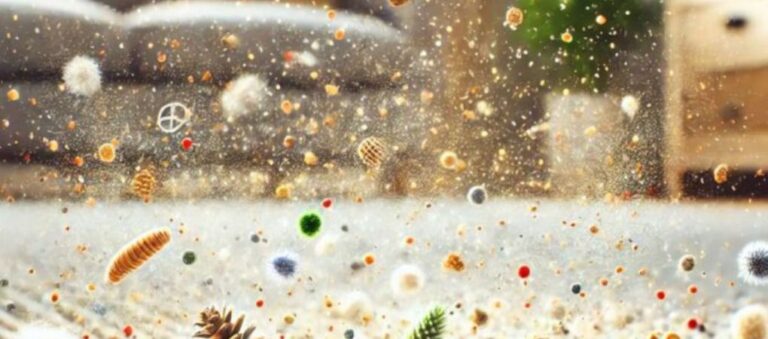
Dirty rugs can release trapped dust, allergens, and microbial growth back into the air:
- Ignoring air quality can exacerbate asthma, allergies, and other respiratory concerns.
- Using harsh chemical cleaners may worsen indoor air quality.
- Eco-conscious cleaning supports healthier homes while keeping rugs clean and vibrant.
Understanding the connection between rug care and indoor health is essential for busy households with children or pets.
Outgoing Thoughts
Many rug problems stem from common cleaning mistakes, including using harsh chemicals, over-wetting, scrubbing too aggressively, ignoring manufacturer instructions, and neglecting seasonal or preventive maintenance. By adopting safe, eco-friendly practices like vacuuming with HEPA filters, blotting spills promptly, rotating rugs, and scheduling professional deep cleaning with West Hartford homeowners can preserve the beauty, safety, and longevity of their rugs. Awareness and proper technique prevent damage, maintain indoor air quality, and keep your home comfortable for your family and pets.
FAQs
Q1. What is the most common rug cleaning mistake?
Ans. Using harsh chemical cleaners that damage fibers and leave residues is the most frequent error.
Q2. Can too much water ruin a rug?
Ans. Yes, over-wetting can cause mold, mildew, and permanent fiber damage.
Q3. Should I always follow manufacturer instructions?
Ans. Absolutely! Fiber type and construction dictate proper cleaning methods to avoid shrinking, fraying, or color bleeding.
Q4. Is scrubbing stains effective?
Ans. Aggressive scrubbing can worsen stains and damage fibers; gentle blotting with a safe cleaner is recommended.
Q5. How does improper vacuuming harm rugs?
Ans. Beater bars or vacuuming in only one direction can damage fibers, cause pilling, and leave dirt trapped.
Q6. Why is prompt spill treatment important?
Ans. Delaying treatment allows stains to set, increases odor, and promotes fiber deterioration.
Q7. How does rug rotation help maintenance?
Ans. Rotating rugs distributes wear evenly, prevents fiber compression, and reduces dirt buildup in high-traffic areas.
Q8. Can DIY methods remove all allergens?
Ans. DIY cleaning may not remove embedded dirt, dust mites, or allergens; professional eco-friendly cleaning is more effective.
Q9. How do seasonal changes affect rugs?
Ans. Weather-related factors like moisture, pollen, and debris stress fibers and require adjusted cleaning routines.
Q10. Why choose an eco-friendly rug cleaning service in West Hartford?
Ans. Eco-friendly professionals use non-toxic solutions and modern equipment to protect fibers, indoor air quality, and family health while effectively cleaning rugs.