How Weather and Seasons Affect Your Area Rugs
Area rugs are a vital part of home décor, adding warmth, color, and comfort. However, they are constantly exposed to changing weather and seasonal conditions, which can impact their appearance, fiber integrity, and indoor air quality. For homeowners in West Hartford, Connecticut, understanding these seasonal effects is key to maintaining rugs that are both beautiful and long-lasting.
This article explains how weather and seasonal changes affect area rugs and provides eco-friendly strategies to protect them throughout the year.
How Moisture and Humidity Impact Rugs
Rugs are particularly sensitive to moisture and humidity, which vary with the seasons:
- Winter: Snow and slush tracked in from outside can saturate fibers, leading to potential mold and mildew growth.
- Spring: Rain and lingering moisture from melting snow increase the risk of damp spots and fiber weakening.
- Summer: High humidity can cause natural fiber rugs, like wool or jute, to absorb moisture and swell.
- Fall: Damp leaves and increased precipitation can leave dirt and moisture embedded in rugs.
Excess moisture not only affects fiber strength but also creates conditions for mold, mildew, and unpleasant odors.
Sunlight and UV Exposure
Sunlight affects rugs year-round:
- Direct sun exposure can fade colors, particularly in synthetic rugs.
- Seasonal changes in daylight can create uneven fading if rugs remain in one position.
- Natural fibers, like cotton or wool, are more resistant to fading but still benefit from rotation to minimize sun damage.
Using window coverings or rotating rugs helps maintain even color and prevents premature wear.
Seasonal Dirt and Debris
Outdoor conditions directly influence the type and amount of debris tracked onto rugs:
- Winter: Salt, sand, and grit from shoes can abrade fibers and leave stains.
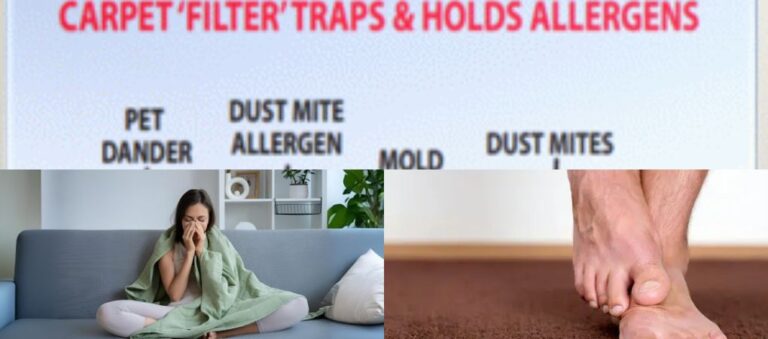
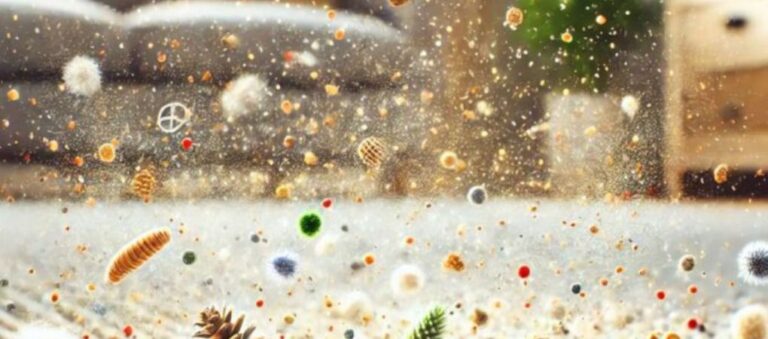
- Spring: Pollen and mud can settle into rug fibers, aggravating allergies.
- Summer: Dust from open windows and foot traffic can accumulate quickly.
- Fall: Leaves, twigs, and soil can cling to rug fibers, increasing cleaning needs.
Understanding seasonal debris patterns allows homeowners to implement preventive measures to protect rugs.
Temperature Fluctuations and Fiber Integrity
Changes in temperature can subtly affect rug fibers:
- Cold temperatures may make some synthetic fibers brittle, increasing wear.
- Hot, dry air in summer can cause natural fibers to shrink slightly or become stiff.
- Rapid fluctuations in temperature and humidity stress fibers over time, reducing rug longevity.
Proper seasonal care helps maintain fiber flexibility and reduces the risk of damage.
Eco-Friendly Maintenance Tips for All Seasons
Maintaining rugs safely and effectively requires eco-conscious practices tailored to seasonal challenges:
- Vacuum regularly: Especially in high-traffic areas and during seasons with increased dirt or pollen.
- Rotate rugs: Minimizes uneven wear, fading, and fiber stress caused by sunlight or heavy traffic.
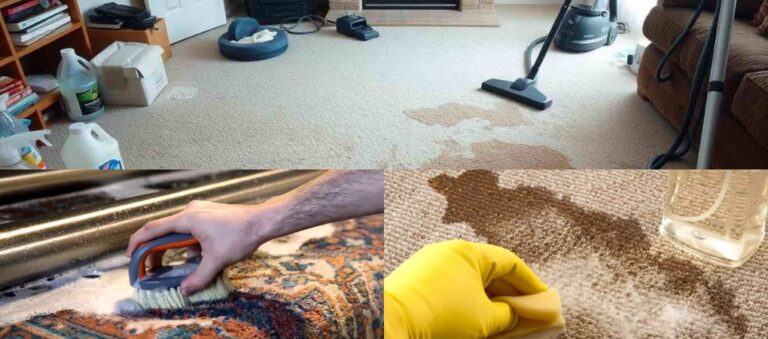
- Promptly address spills: Use biodegradable spot cleaners to remove moisture and stains safely.
- Use rug pads: Elevates rugs slightly, improves airflow, and protects fibers from moisture or abrasion.
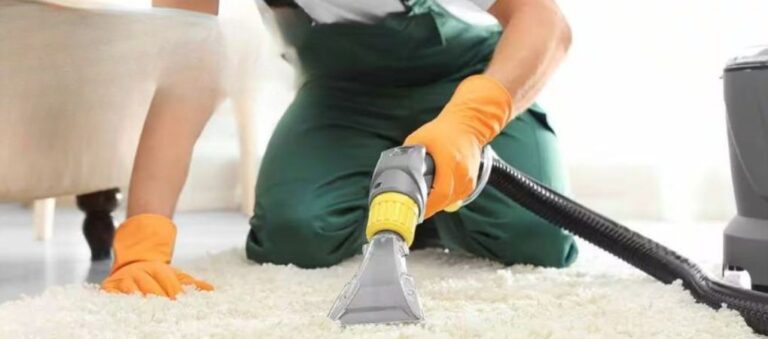
- Professional deep cleaning: Schedule eco-friendly professional cleaning once or twice a year, particularly after extreme weather seasons, to remove embedded dirt, allergens, and moisture.
These strategies ensure rugs remain vibrant, safe, and durable throughout the year.
Seasonal Cleaning Strategies
Adopting seasonal cleaning routines can mitigate the effects of weather:
- Spring: Deep clean to remove winter salt, dirt, and allergens. Air out rugs to reduce moisture.
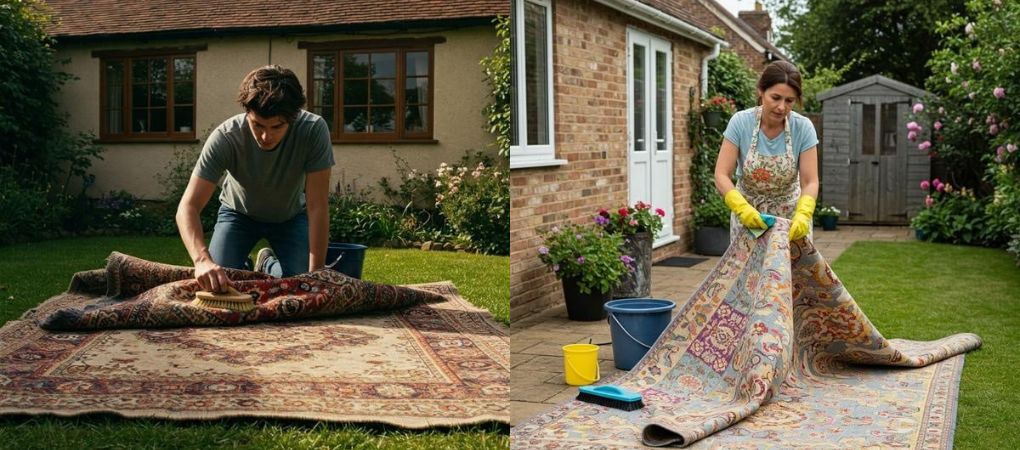
- Summer: Vacuum frequently to remove dust, pollen, and pet hair. Sunlight can be used to naturally air out rugs for freshness.
- Fall: Focus on high-traffic areas and remove mud, leaves, and debris before the wet winter months.
- Winter: Quickly clean snow, salt, and moisture from entryway rugs to prevent fiber damage and mold growth.
A structured seasonal routine helps prevent cumulative damage and maintains both aesthetic and health benefits.
Managing Pets Through Seasonal Changes
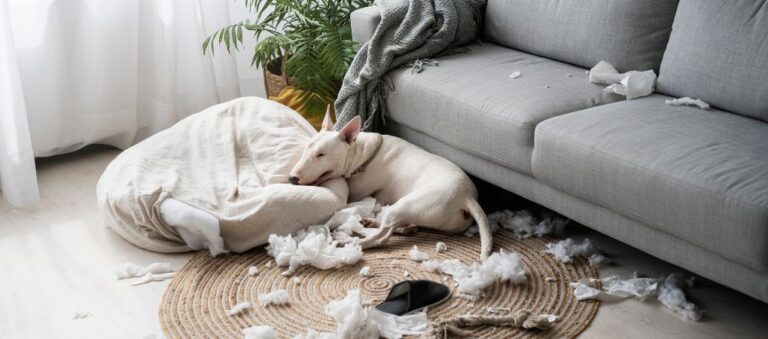
Pets contribute to rug wear and maintenance challenges year-round:
- Winter: Wet paws carry snow and salt indoors, potentially damaging fibers and introducing allergens.
- Summer: Pets shed more, adding hair and dander to rugs.
- Preventative care: Groom pets regularly, provide entry mats, and clean rugs promptly after accidents.
Eco-friendly cleaning solutions ensure pets remain safe while maintaining a healthy home environment.
Choosing the Right Rugs for Seasonal Durability
Some rugs are better suited to handle seasonal effects:
- Wool rugs: Naturally resilient to moisture and temperature changes.
- Synthetic rugs: Durable and resistant to fading but may generate static attracting dust.
- Natural fiber rugs: Breathable but require careful moisture management.
- Washable rugs: Ideal for entryways or high-traffic areas with seasonal dirt and moisture exposure.
Selecting the right rug type for your household and local climate reduces maintenance challenges.
Partnering with Local Eco-Friendly Professionals
Professional cleaning ensures rugs withstand seasonal stresses without compromising health or appearance:
- Experts remove embedded dirt, allergens, and moisture safely.
- Eco-friendly solutions protect fibers, indoor air quality, and family health.
- Fresh Fiber Clean provides West Hartford homeowners with modern, sustainable rug care, tailored to seasonal needs.
Professional maintenance complements daily routines and prolongs rug lifespan.
Outgoing Thoughts
Weather and seasonal changes have a significant impact on area rugs, from moisture and sunlight to dirt, pollen, and temperature fluctuations. Understanding these factors allows homeowners to adopt preventive measures such as regular vacuuming, prompt spill treatment, rug rotation, and seasonal professional cleaning. Eco-friendly strategies protect fiber integrity, indoor air quality, and family health. For West Hartford households, combining at-home maintenance with professional, non-toxic cleaning ensures rugs remain vibrant, safe, and long-lasting throughout the year.
FAQs
Q1. How does winter weather affect area rugs?
Ans. Snow, slush, and salt can damage fibers, cause stains, and introduce moisture, increasing mold risk.
Q2. Can sunlight damage rugs?
Ans. Yes, prolonged sun exposure can fade colors and weaken fibers over time. Rotating rugs helps prevent uneven fading.
Q3. Do temperature changes affect rug fibers?
Ans. Cold can make synthetic fibers brittle, and heat can cause natural fibers to shrink or stiffen.
Q4. How do seasonal debris patterns impact rug care?
Ans. Winter brings salt and grit, spring pollen and mud, summer dust, and fall leaves—all requiring targeted cleaning.
Q5. What are eco-friendly ways to manage seasonal rug challenges?
Ans. Vacuum frequently, rotate rugs, use rug pads, promptly clean spills with biodegradable cleaners, and schedule professional eco-friendly cleaning.
Q6. How often should professional cleaning be done for seasonal maintenance?
Ans. Once or twice a year, ideally after extreme weather seasons, to remove embedded dirt, allergens, and moisture.
Q7. Are certain rugs better for handling seasonal changes?
Ans. Wool and durable synthetics handle moisture and sunlight well; washable rugs are ideal for high-traffic or entryway areas.
Q8. How can pets impact rugs seasonally?
Ans. Wet paws in winter, shedding in summer, and tracked-in dirt or mud contribute to fiber wear and allergens.
Q9. Should rugs be rotated seasonally?
Ans. Yes, rotating prevents uneven wear, fading, and fiber stress caused by sunlight or heavy traffic.
Q10. Why choose an eco-friendly rug cleaning service in West Hartford?
Ans. Eco-friendly professionals use non-toxic solutions and modern equipment to maintain rug quality, remove embedded debris, and protect family health.