The Hidden Health Risks of Dirty Area Rugs
Area rugs add warmth, comfort, and style to a home, but they also serve another role many homeowners overlook. Rugs act as collection points for dust, allergens, bacteria, and everyday contaminants. While they help trap debris that might otherwise circulate through the home, these materials accumulate over time and can quietly affect indoor health.
Because buildup happens gradually and often remains invisible, many households underestimate the health risks associated with dirty area rugs. Understanding these risks helps homeowners make informed decisions about cleaning routines and recognize when professional care becomes necessary.
For families in West Hartford, where seasonal weather brings pollen, moisture, and outdoor debris indoors throughout the year, maintaining clean rugs plays an important role in supporting healthier living spaces.
How Area Rugs Become Hidden Contaminant Reservoirs
Every day, area rugs collect particles introduced through normal activity. Shoes track in outdoor soil, pets carry debris on their fur and paws, and airborne particles settle continuously into fibers.
Over time, rugs accumulate:
- Dust and fine dirt
- Pollen and environmental allergens
- Pet dander
- Food particles and oils
- Moisture from spills or humidity
- Bacteria and microorganisms
Unlike hard flooring, rugs conceal contaminants beneath the surface. Even when a rug appears clean, layers of buildup may exist deep within the fibers and backing.
Without periodic deep cleaning, rugs can transition from helpful filters into sources of indoor pollution.
Poor Indoor Air Quality
One of the most significant hidden risks of dirty area rugs is reduced indoor air quality.
As people walk across rugs or sit on them, trapped particles become airborne again. This process, sometimes called resuspension, releases dust and allergens back into the breathing environment.
Common effects include:
- Increased indoor dust levels
- Stuffy or stale air
- Frequent need for dusting
- Respiratory irritation
Because modern homes are often tightly sealed for energy efficiency, contaminants remain indoors longer. Clean rugs help reduce airborne particles, while heavily soiled rugs contribute to ongoing circulation of irritants.
Professional eco-friendly cleaning removes contaminants at their source rather than masking odors or redistributing debris.
Allergy and Asthma Triggers
Dirty rugs can significantly affect individuals with allergies or asthma. Microscopic allergens trapped in fibers are easily disturbed during daily activity.
Common triggers found in rugs include:
- Dust mites and their waste particles
- Pollen tracked indoors
- Pet dander
- Mold spores
Symptoms linked to contaminated rugs may include:
- Sneezing or congestion indoors
- Itchy eyes or throat
- Persistent coughing
- Difficulty breathing in severe cases
Children often experience stronger exposure because they spend more time playing on rugs. Regular professional cleaning reduces allergen buildup and supports a more comfortable indoor environment.
Bacteria and Microbial Growth
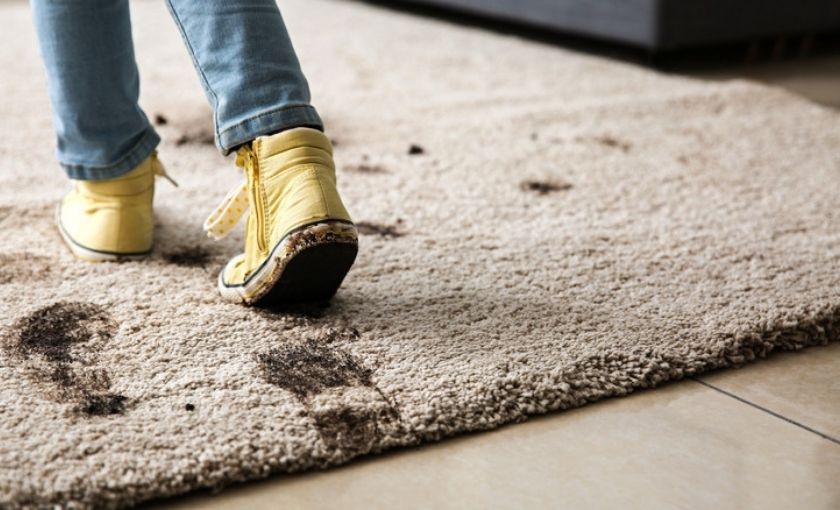
Area rugs frequently come into contact with substances that introduce bacteria into the home.
Sources include:
- Shoes carrying outdoor microbes
- Food spills absorbed into fibers
- Pet accidents
- Moisture exposure
While many bacteria are harmless, accumulation can lead to odor development and reduced hygiene over time.
Warm indoor conditions combined with trapped organic material create environments where microorganisms can thrive. Professional cleaning removes bacterial buildup through deep extraction rather than surface treatment alone.
Dust Mite Infestations
Dust mites are microscopic organisms that live in environments rich in organic debris such as skin cells and dust. Area rugs provide ideal conditions for their growth.
Dust mites themselves are not visible, but their waste particles are a major allergen.
Potential signs include:
- Allergy symptoms that worsen indoors
- Morning congestion
- Frequent sneezing near rugs
- Persistent dust accumulation
Mold and Mildew Exposure
Moisture trapped within rugs presents another hidden health concern. Spills, humidity, or wet footwear can introduce dampness that settles into rug layers.
When moisture remains trapped, it may lead to:
- Mold or mildew growth
- Musty odors
- Airborne spores
- Respiratory irritation
Skin Irritation and Contact Exposure
Area rugs are surfaces people frequently touch with bare skin. Contaminants embedded in fibers can cause irritation through direct contact.
- Skin sensitivity from bacteria buildup
- Irritation caused by allergens
- Discomfort for crawling infants
- Reactions in individuals with sensitive skin
Increased Exposure for Children and Pets
Children and pets experience higher exposure to rug contaminants because they spend more time close to the floor.
- Playing directly on rugs
- Crawling or lying down
- Pets grooming themselves after contact
- Toys resting on rug surfaces
Preventing Health Risks Between Cleanings
Homeowners can reduce buildup with consistent habits:
- Vacuum rugs weekly
- Remove shoes indoors
- Use entry mats
- Address spills immediately
- Maintain proper indoor humidity
- Rotate rugs regularly
Conclusion
Area rugs enhance comfort and design, yet they can also harbor hidden health risks when contaminants accumulate over time. Dust, allergens, bacteria, and moisture-related growth often remain unseen while affecting indoor air quality and daily comfort.
Regular eco-friendly professional cleaning removes deeply embedded contaminants without introducing harsh chemicals, supporting both rug longevity and family wellness.
FAQs
Q1. Can dirty area rugs affect your health?
Yes. Rugs can trap allergens, bacteria, and dust that may impact indoor air quality and trigger symptoms.
Q2. Do rugs make allergies worse?
Dirty rugs can release allergens into the air, contributing to allergy flare-ups.
Q3. Are bacteria common in area rugs?
Yes. Bacteria can accumulate through shoes, pets, spills, and everyday activity.
Q4. Can rugs cause respiratory problems?
Contaminants trapped in rugs may irritate airways, especially for sensitive individuals.
Q5. How often should rugs be cleaned?
Professional cleaning every 6–12 months is recommended for most households.